OUR MAY 2026 SCIENCE ACCESS INTAKE IS CLOSING SOON – COMPLETE YOUR APPLICATION TODAY! • OUR NEXT IN-PERSON OPEN EVENT TAKES PLACE 6 JUNE • ENROL ON OUR FULL-TIME BSC (HONS) NUTRITIONAL THERAPY COURSE OR THE CERT HE PERSONALISED DIET AND HEALTH BY THE 09 JUNE 2026 AND SAVE UP TO £470 •

OUR MAY 2026 SCIENCE ACCESS INTAKE IS CLOSING SOON – COMPLETE YOUR APPLICATION TODAY! • OUR NEXT IN-PERSON OPEN EVENT TAKES PLACE 6 JUNE • ENROL ON OUR FULL-TIME BSC (HONS) NUTRITIONAL THERAPY COURSE OR THE CERT HE PERSONALISED DIET AND HEALTH BY THE 09 JUNE 2026 AND SAVE UP TO £470 •

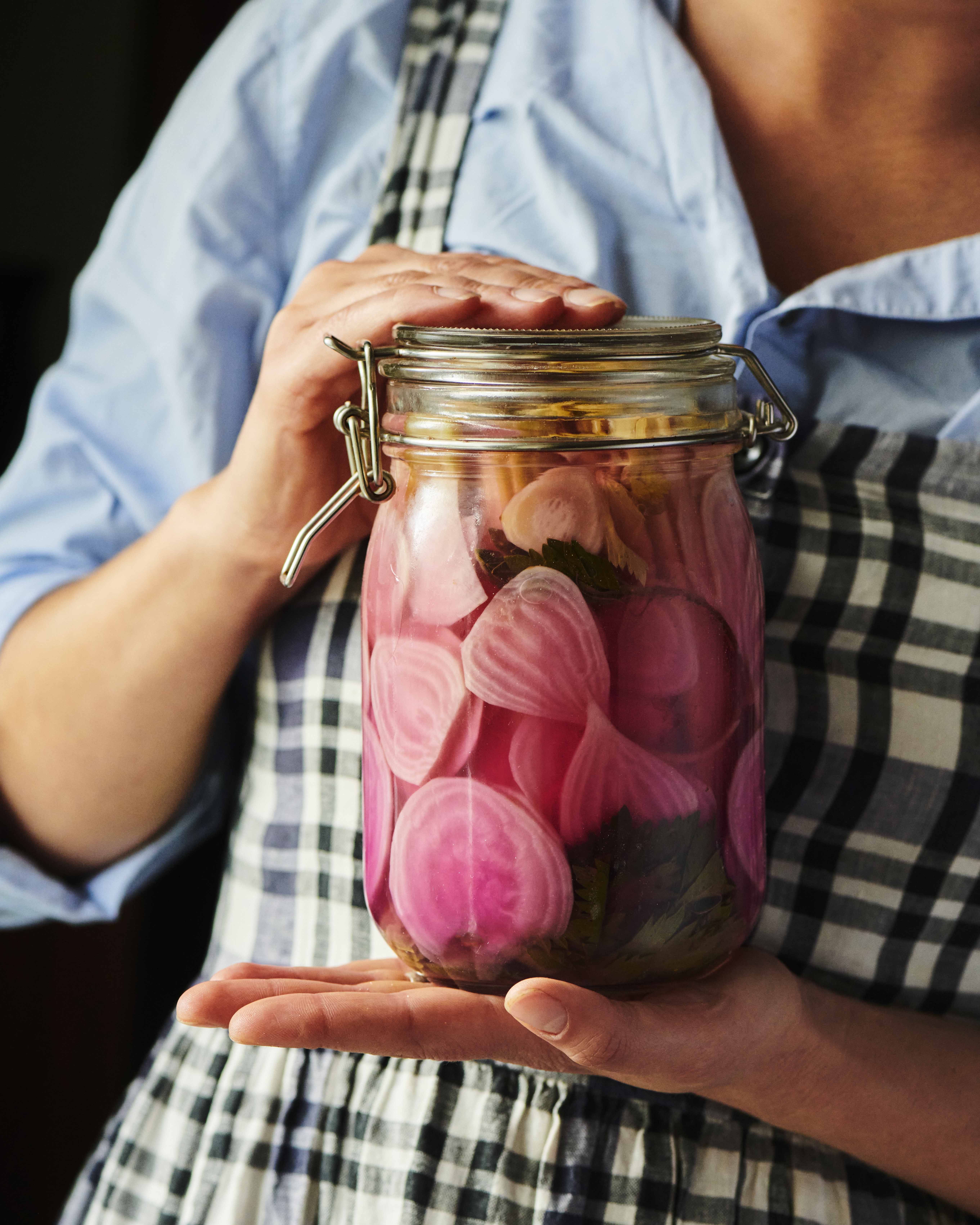
Pelustka (Cabbage & Beetroot Pickle)

Pelustka (Cabbage & Beetroot Pickle)
caption
Pelustka is a Ukrainian recipe made of cabbage and beetroot
image credits
Olia Hercules
FOOD TYPE
MAINSALAD
TAGS
BEETROOTCABBAGEFERMENTED
RECIPE CREATOR
Olia
Hercules
AUTHOR
Verónica
Muñoz Martínez
PUBLISHED
19 May 2026
SHARE
SUITABLE FOR
DAIRY-FREEGLUTEN-FREENUT-FREEPESCATARIANSUGAR-FREE-AND-VEGETARIANVEGANVEGETARIAN
CONTAINS ALLERGENS
USES
NOT SPECIFIED
SERVES
Not specified
PREP TIME
N/A
COOK TIME
N/A

“Pelustka” means petal in Ukrainian — a fitting name, as the cabbage and beetroot transform into a deep ruby red and curl into soft, rose-petal-like layers as they ferment. This version uses a hot brine to gently blanch the vegetables, helping to speed up the fermentation process. Once cooled, you can also add a splash of live brine from another ferment to give it an extra boost.

Ingredients

  • 1 litre of water
  • 35g sea salt
  • 2 tbsp sugar or honey
  • 1 small white cabbage
  • 200g beetroot, peeled and cut into thin wedges
  • 3–5 garlic cloves, thinly sliced (or to taste)
  • 1–2 tbsp brine from a live ferment (e.g. sauerkraut) or a splash of raw apple cider vinegar (optional starter)

Method

  1. Cut the cabbage into thin wedges (you can halve them again if you prefer smaller pieces). Peel the beetroot and slice it into thin wedges.
  2. Pack the cabbage, beetroot and sliced garlic tightly into a clean jar.
  3. In a saucepan, dissolve the salt and sugar in 1 litre of water and bring to a gentle heat until fully mixed (you can add aromatics if you like).
  4. Pour the hot brine over the vegetables, ensuring everything is fully submerged.
  5. Leave to cool completely. Once cooled, add a splash of live brine from a previous ferment (if using) to encourage fermentation.
  6. Cover loosely with a lid and leave at room temperature. You should start to see signs of fermentation within about 5–7 days, depending on the temperature.
  7. Once it tastes tangy and lively, transfer to the fridge to slow down fermentation and store.

Good to know

About Olia Hercules

Olia Hercules is a Ukrainian-born, London-based chef, food writer and best-selling cookbook author whose work explores Eastern European food traditions, memory and identity through recipes and storytelling. She has written several award-winning cookbooks, including Mamushka, and is known for bringing Ukrainian and regional fermentation and home cooking to a global audience.

ION logo
END OF
ARTICLE

Enjoyed this recipe?

Subscribe to the free Optimum Nutrition newsletter to get recipes such as this straight to your inbox every month.