OUR NEXT ONLINE OPEN EVENT IS HAPPENING 11 SEPTEMBER. DON’T MISS YOUR CHANCE TO LEARN ABOUT YOUR NEW CAREER! • THE ‘BSC (HONS) NUTRITIONAL THERAPY’ AND ‘CERT HE PERSONALISED DIET AND HEALTH’ APPLICATION DEADLINE IS CLOSING SOON – APPLY TODAY! • WE HAVE A NEW, LEVEL 7, POSTGRADUATE COURSE LAUNCHING FEB 2027 FOR MEDICAL PROFESSIONALS, ALLIED HEALTHCARE PRACTITIONERS AND CAM PRACTITIONERS • FROM THE VAULT: EXPLORE COMPLETE BACK ISSUES OF OPTIMUM NUTRITION MAGAZINE FOR FREE • BOOK YOUR TICKET FOR THE HEATHER ROSA TRIBUTE AND MITOCHONDRIA EVENT ON 30 OCTOBER •
OUR NEXT ONLINE OPEN EVENT IS HAPPENING 11 SEPTEMBER. DON’T MISS YOUR CHANCE TO LEARN ABOUT YOUR NEW CAREER! • THE ‘BSC (HONS) NUTRITIONAL THERAPY’ AND ‘CERT HE PERSONALISED DIET AND HEALTH’ APPLICATION DEADLINE IS CLOSING SOON – APPLY TODAY! • WE HAVE A NEW, LEVEL 7, POSTGRADUATE COURSE LAUNCHING FEB 2027 FOR MEDICAL PROFESSIONALS, ALLIED HEALTHCARE PRACTITIONERS AND CAM PRACTITIONERS • FROM THE VAULT: EXPLORE COMPLETE BACK ISSUES OF OPTIMUM NUTRITION MAGAZINE FOR FREE • BOOK YOUR TICKET FOR THE HEATHER ROSA TRIBUTE AND MITOCHONDRIA EVENT ON 30 OCTOBER •
Eat real food: new US Dietary Guidelines flip the script
caption
New food pyramid released by the USDA
image credits
USDA
CATEGORY
Health and wellbeingNutrition
TAGS
dietary guidelinesfatsMust Readpolicyprotein
AUTHOR
Catherine Morgan
READ TIME
6 Minutes
PUBLISHED
20 January 2026
SHARE
The US government has released its new Dietary Guidelines for Americans, sparking mixed reactions from experts in the UK and across the pond. Catherine Morgan writes
Key takeaways
New US dietary guidelines mark a significant shift away from decades of low-fat, grain-heavy advice, placing greater emphasis on whole, nutrient-dense food and protein.
The updated guidance prioritises real food – including meat, dairy, vegetables, fruit, healthy fats and whole grains – while advising limits on highly processed foods, added sugars and refined carbohydrates.
The guidance has sparked debate – particularly around its continued 10% cap on saturated fat, which experts see as contradictory to the promotion of animal-based foods and full-fat dairy.
Some experts and professional bodies, including BANT, welcome the overall direction but highlight inconsistencies, unclear protein targets, and ambiguous visual messaging.
The new guidelines underscore a growing consensus on the importance of whole foods – but also highlight how contested and politicised nutrition guidance remains.
A major shift in US nutrition policy
The new dietary guidelines, effective until 2030, mark a significant shift in US health policy, emphasising the importance of eating whole, nutrient-dense foods – protein, dairy, vegetables, fruit, healthy fats, and whole grains – while limiting highly processed foods, added sugars and refined carbohydrates.
Issued by the US Department of Agriculture (USDA) and the Department of Health and Human Services (HHS), the update reflects priorities championed by HHS Secretary Robert F. Kennedy, Jr.’s “Make America Healthy Again” movement.
The message is simple but powerful: eat real food.
First introduced in 1980, the Dietary Guidelinesfor Americans are revised every five years. This latest update – just 10 pages long – flips the original US Food Pyramid (later replaced by MyPlate) on its head, shifting the focus away from grains and towards protein, including meat, dairy, legumes and beans. The guidelines also offer a small nod to lower-carbohydrate diets, acknowledging potential benefits for individuals with certain chronic diseases.
Praise – and pushback – from experts
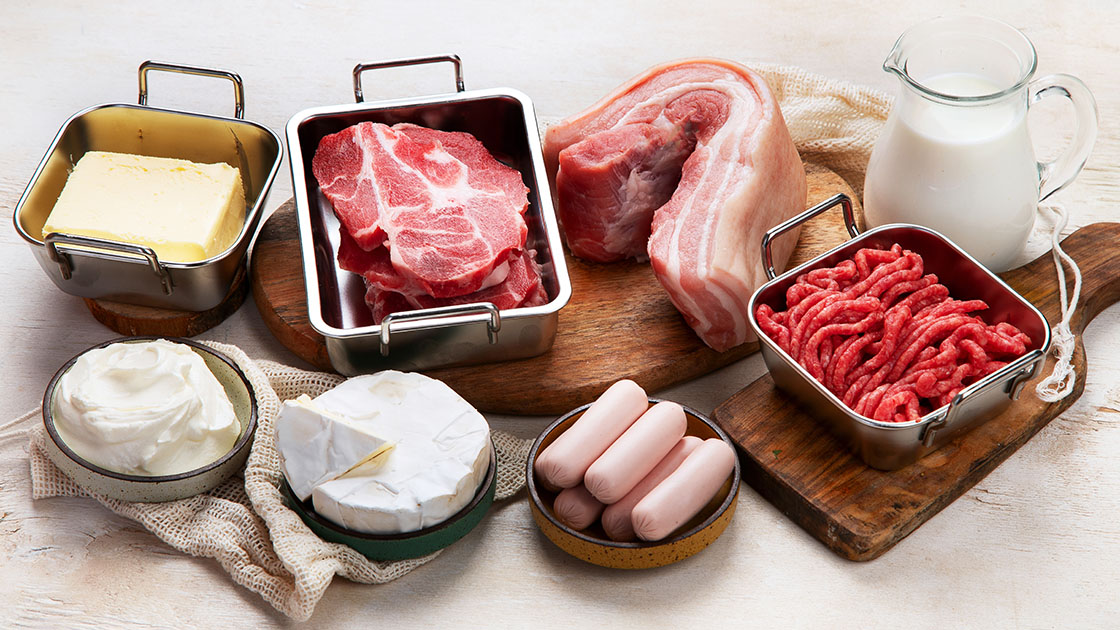
Saturated fat sparks debate (Shutterstock image)
As with many developments in the nutrition sphere, the new guidelines have sparked mixed reactions. They have been praised by some as a major step forward and criticised by others for their emphasis on animal products and full-fat dairy. But one issue has drawn scrutiny from both sides of the debate – albeit for different reasons: how the guidelines address saturated fat.
Critics argue that prioritising protein from animal foods while highlighting full-fat dairy softens decades of warnings about saturated fat and heart disease.
In a statement, the American Heart Association said it was concerned that the new recommendations regarding salt seasoning and red meat consumption could inadvertently lead consumers to exceed recommended limits for sodium and saturated fats, which it describes as primary drivers of cardiovascular disease.
The organisation also reiterated its preference for low-fat and fat-free dairy options. However, it did welcome aspects of the update, praising its emphasis on increasing vegetable, fruit and whole grain intake, while limiting added sugars, refined grains, highly processed foods, and sugary drinks.
UK-based Tim Spector – professor of Epidemiology at King’s College London, director of the Twins UK study and Scientific co-founder at ZOE – also expressed mixed views. Writing on social media platform X, he described the guidelines as: “A strange mix! Exciting recognition of highly processed foods as dangerous and clear guidance to avoid sugars and artificial sweeteners in children and an end to demonising fat but a strange obsession with using meat and dairy as great sources of fat and protein that we need!”
The saturated fat conundrum
Meanwhile, experts who reject the saturated fat-heart disease hypothesis have criticised the guidelines from a different angle. While welcoming the renewed focus on protein and whole foods, they argue that retaining a 10% cap on saturated fat is fundamentally inconsistent with prioritising red meat and dairy.
Heather Rosa, Dean at the Institute for Optimum Nutrition (ION), explains: “The focus on whole, nutrient-dense foods is a huge step forward and aligns with many of the principles of optimum nutrition and how we might look to support overall health and metabolic wellbeing.
“However, maintaining the 10% cap on saturated fat sits in clear contradiction to the visual guidance presented. For the public, who will likely take their cue from the infographic, which highlights red meat and full-fat dairy, the changes may feel significant – but this won’t be the case for those in the US who must follow the guidelines to receive federal funding.”
Rosa hopes this cap will be reconsidered in the next iteration and emphasises that dietary recommendations should be tailored to the needs of the individual.
Science journalist and author Nina Teicholz – a long-standing critic of the anti-saturated fat narrative – argues the guidelines missed a crucial opportunity by retaining the cap, and highlights earlier statements from Robert F. Kennedy, Jr. and FDA Commissioner Marty Makary pledging to end the “war on saturated fat” upon taking office.
“How can anyone eat butter, tallow, and red meat while adhering to the 10% cap? They can’t.” she writes in her blog, Unsettled Science. “The messages are impossible to reconcile.”
Nutrition researcher and author Zoë Harcombe echoes this view, calling this cap a “huge flaw in otherwise astonishingly good, concise, revolutionary new guidelines”.
In her analyisis of the new guideliness, Harcombe writes: “If the 10% saturated fat cap is followed, all the good advice to eat real food (red meat, oily fish, eggs, dairy, olive oil, etc.) cannot be followed. If the good advice to eat real food is followed, the 10% saturated fat cap cannot be followed.”
All the good news in the guidelines is incompatible with that one preserved guideline, she says.
Professional body weighs in
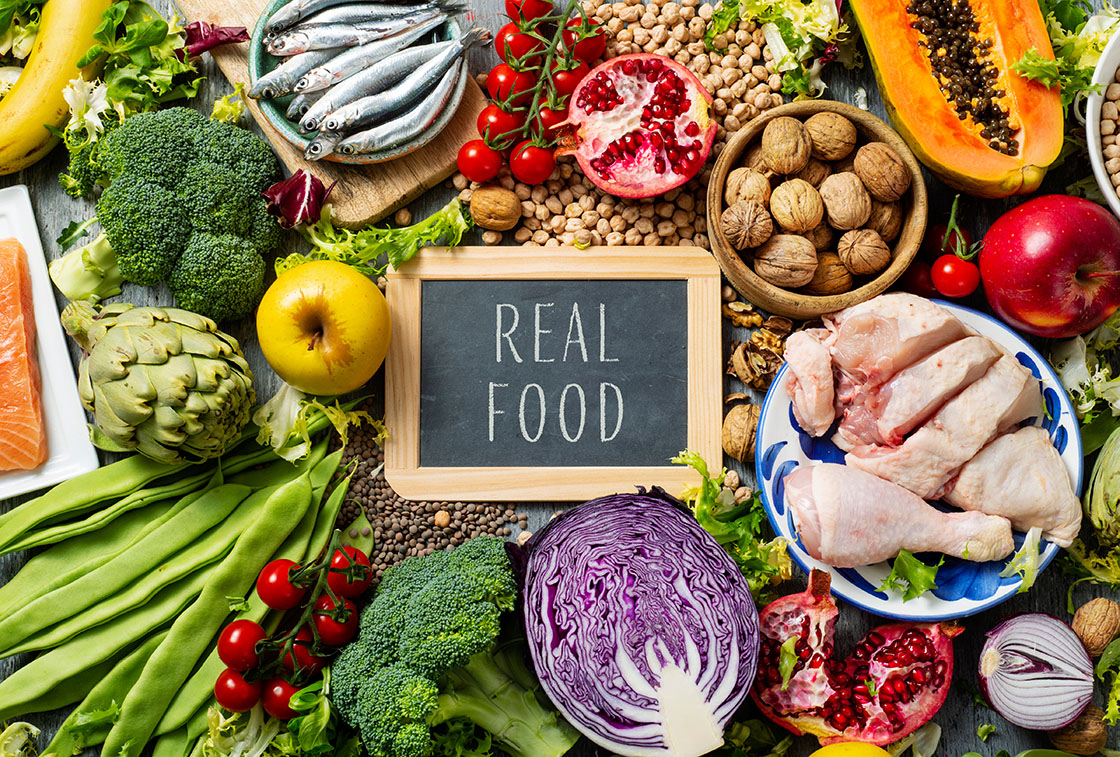
Nutrient-dense, whole foods are on the menu (Shutterstock image)
The British Association of Nutrition and Lifestyle Medicine (BANT) – the leading professional body for registered nutritional therapy practitioners – has welcomed the new US Dietary Guidelines as a notable improvement on previous editions, while also highlighting several inconsistencies that warrant closer scrutiny. BANT CEO and Director Satu Jackson told ION:
“Compared with the Standard American Diet there are many positives, such as recognising nutrient density and focusing on whole foods. However, there are some inconsistencies, and we are looking further into the detail, including the lack of clear protein targets for different age groups, and ambiguity in how fruits and vegetables are balanced relative to protein and fats in the pyramid imagery. There are also contradictions between visual elements and text guidance, and terminology around highly/ultra-processed foods.”
She added: “We hope the UK will also soon update the outdated guidance in Eatwell Guide with similar more superior detail and guidance based on latest data. The BANT Wellness Solution (2022) provides general evidence-based advice to support healthy dietary and lifestyle choices when personalised guidance isn’t available, emphasising a balanced plate of vegetables/fruits, proteins, and whole grains and minimising highly processed foods. It differs from the US Dietary Guidelines mainly in how it balances macronutrient emphasis and places greater visual and quantitative emphasis on whole foods.”
BANT has said it will release a more detailed response separately.
As the guidelines begin to shape food policy and public health messaging over the next five years, debate is likely to continue – particularly over whether long-standing limits on saturated fat can coexist with a renewed emphasis on whole, animal-based foods.
What is certain is that many of us will be watching developments from across the pond closely.