OUR NEXT ONLINE OPEN DAY OF THE YEAR IS HAPPENING 14 NOVEMBER. DON’T MISS YOUR CHANCE TO LEARN ABOUT YOUR NEW CAREER! • BOOK YOUR TICKET FOR THE HEATHER ROSA TRIBUTE AND MITOCHONDRIA EVENT ON 30 OCTOBER • THE ‘BSC (HONS) NUTRITIONAL THERAPY’ AND ‘CERT HE PERSONALISED DIET AND HEALTH’ APPLICATION FOR THE FEBRUARY 2027 COHORT IS NOW OPEN. APPLY BY 10 NOVEMBER TO TAKE ADVANTAGE OF OUR EARLY-BIRD DISCOUNT • OUR NEW, LEVEL 7, POSTGRADUATE COURSE FOR MEDICAL PROFESSIONALS, ALLIED HEALTHCARE PRACTITIONERS AND CAM PRACTITIONERS IS NOW OPEN FOR APPLICATIONS •
OUR NEXT ONLINE OPEN DAY OF THE YEAR IS HAPPENING 14 NOVEMBER. DON’T MISS YOUR CHANCE TO LEARN ABOUT YOUR NEW CAREER! • BOOK YOUR TICKET FOR THE HEATHER ROSA TRIBUTE AND MITOCHONDRIA EVENT ON 30 OCTOBER • THE ‘BSC (HONS) NUTRITIONAL THERAPY’ AND ‘CERT HE PERSONALISED DIET AND HEALTH’ APPLICATION FOR THE FEBRUARY 2027 COHORT IS NOW OPEN. APPLY BY 10 NOVEMBER TO TAKE ADVANTAGE OF OUR EARLY-BIRD DISCOUNT • OUR NEW, LEVEL 7, POSTGRADUATE COURSE FOR MEDICAL PROFESSIONALS, ALLIED HEALTHCARE PRACTITIONERS AND CAM PRACTITIONERS IS NOW OPEN FOR APPLICATIONS •
Cabbage is officially cool again, thanks to Pinterest trends.
It’s one of the oldest cultivated vegetables, feeding everyone from Romans to medieval farmers.
Experts say cabbage is wildly underrated and versatile raw, cooked, charred or fermented.
Nutrient‑dense and cheap, it’s packed with fibre, vitamins and powerful plant compounds.
It’s no longer the sad school side dish, say nutritional therapists, but actually cabbage can be a star ingredient.
Cabbage is reclaiming its place on our plates. Yes, cabbage – the vegetable most of us last encountered as an overcooked, watery punishment on a school dinner tray. And yet here we are: Pinterest has declared 2026 the year of the Cabbage Crush.
The Romans were already eating and prescribing cabbage as medicine – they believed it cured everything from headaches to drunkenness. By the Middle Ages, cabbage was so common in Europe that vegetable patches were literally called “cabbage gardens”.
Meanwhile, in China, people were cultivating cabbage thousands of years earlier, developing their own varieties long before the brassica family tree branched into the shapes we know today.
For a vegetable so often dismissed as mushy and boring, cabbage has lived more lives than most of us.
Beyond boiled misery
For all their nutritional halo – fibre, vitamins C and K, folate – brassicas still carry the emotional baggage of being boiled into grey oblivion. Many of us have childhood memories of cabbage cooked into submission, slumped on the plate like it had given up on life.
Now cabbage is being transformed into blistered “steaks”, kimchi cocktails, dumplings, taco wraps. It helps that cabbage has always been recession‑proof. Cheap, sturdy and versatile even if it’s still haunted by its darkest chapter: the cabbage soup diet.
Then there’s the fermented side of the family: kimchi, sauerkraut, once niche, now the cool kids of gut health. It’s all about the tang, heat and crunch.
Enter the nutritional experts
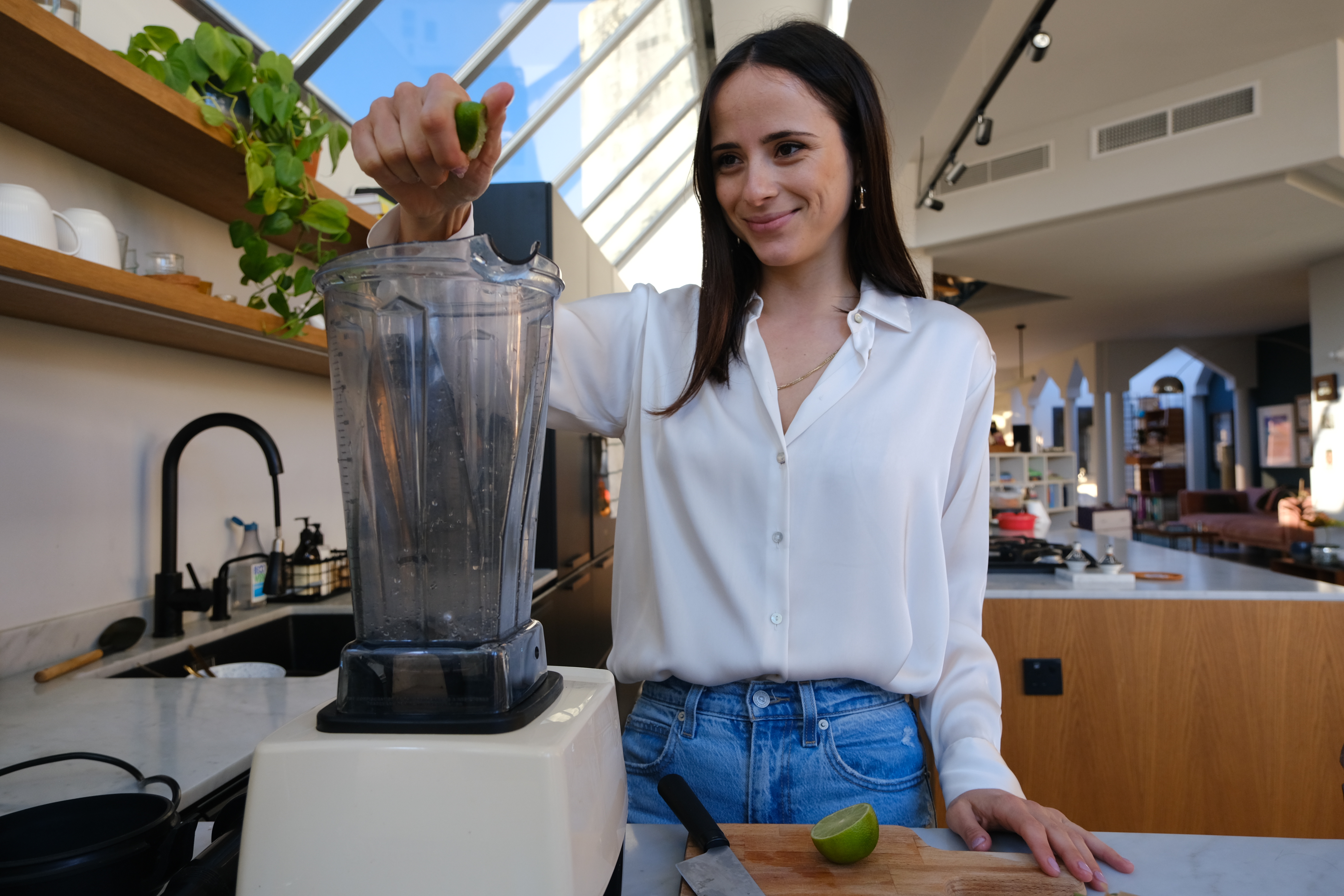
Sara Borg creates a botanical cabbage juice
Nutritional therapist, ION graduate and owner of Botanical Blends, Sara Borg, thinks cabbage’s comeback is overdue, and personal. “Cabbages represent the way I approach nutrition and creativity when I’m cooking, simple, nourishing and often underestimated,” she says. “I’m drawn to everyday foods that don’t need to be trendy or expensive to be impactful. Cabbage is affordable, accessible, nutrient‑dense and incredibly versatile.”
Borg talks about cabbage with fondness. “It’s quietly confident,” she says. “It doesn’t need to perform. It can be crisp and light in a salad, add fullness to a Mediterranean minestrone or an Asian broth, or be transformed through fermentation into something completely different.”
Nutritional therapist, ION graduate and Fellow Mike Murphy, sees cabbage as the unsung hero of the vegetable world. “If vegetables had personalities, cabbages would be the working‑class hero,” he says. “They’ve fed entire populations through scarcity and hardship. Leafy greens are high‑maintenance, chillies thrive on drama, broccoli is evangelical about its health halo. Cabbage? It is happy raw, cooked, fermented or forgotten in the fridge for a week and still ready to nourish.”
He says this with the conviction of someone who has watched cabbage be underestimated for far too long. “They don’t need to perform,” he adds. “They’re dependable. They show up.”
“I love using Savoy or pointed cabbage, slicing it finely and cooking it gently with olive oil and a little vegetable stock, or adding it to dishes like pad Thai to boost plant diversity. It’s versatile, full of goodness, and always in my fridge.”
Cabbage misconceptions
Borg’s biggest gripe is the idea that cabbage is boring. “Cabbage is anything but,” she says. “You can turn it into a vibrant Asian‑style slaw using purple and green cabbage, shredded carrots, spring onions and a peanut sauce made with peanut butter, tamari, lime juice and sesame oil. Or ferment it for a gut‑loving condiment. Add it to stir‑fries, soups, stews or roast it until caramelised and sweet. Once people realise how flexible it is, it often becomes a kitchen staple.”
Murphy agrees. “One of the biggest misconceptions is that it’s just a watery side dish that exists only to pad out a plate,” he says. “In reality, cabbage can be crisp, sweet, savoury, even meaty when charred. Far from being an afterthought, it can be the backbone of a meal.”
And fermented cabbage? “People think it’s just ‘gone sour’,” he says. “But fermentation turns cabbage into an entirely different food, living, complex, full of new flavours and health properties. Sauerkraut and kimchi aren’t just preserved vegetables. They’re reinventions.”
Cabbage for gut health
Mike lights up when it comes to talking about the health benefits of cabbage. “There are almost too many reasons to mention,” he says. “Cabbage is one of the most nutrient dense and most economical vegetables in the supermarket. That is to say that it’s a relatively inexpensive way to get a lot of nutrition onto the plate.
“But if I had to zero in on the health benefits, I’d call out the phytochemical richness of cabbage. Cabbages are rich in sulphur compounds called glucosinolates that get converted into biologically active compounds that support liver detoxification and antioxidant defence. The pigments in red cabbage are another layer of these plant chemicals, high in anthocyanins, like those found in red and purple berries, that offer cardiovascular benefits and protect our cells from damage from free radicals.”
Borg adds: “It’s one of those foods that quietly does everything,” she says. “People underestimate how powerful simple foods can be.”
So maybe it’s time to give the brassica family another chance. Misunderstood for decades, now riding a wave of internet hype and nutritional redemption, cabbage is finally getting its comeback tour.
Sara’s botanical cabbage juice blend
¼ green cabbage
2 celery stalks
1 inch ginger
1 small lemon
1 cup pineapple
Simply pass all the ingredients through a juicer, sip and enjoy!
Mike’s current obsession:Hugh Fearnley‑Whittingstall’s Summer Slaw with Peanut Dressing. “Most people think coleslaw is a white mayonnaise-y slop,” he says. “This is anything but. It works with white or red cabbage, or both. It’s bright, crunchy, and actually tastes like something you’d want to eat in public.”
Cabbage cooking hacks
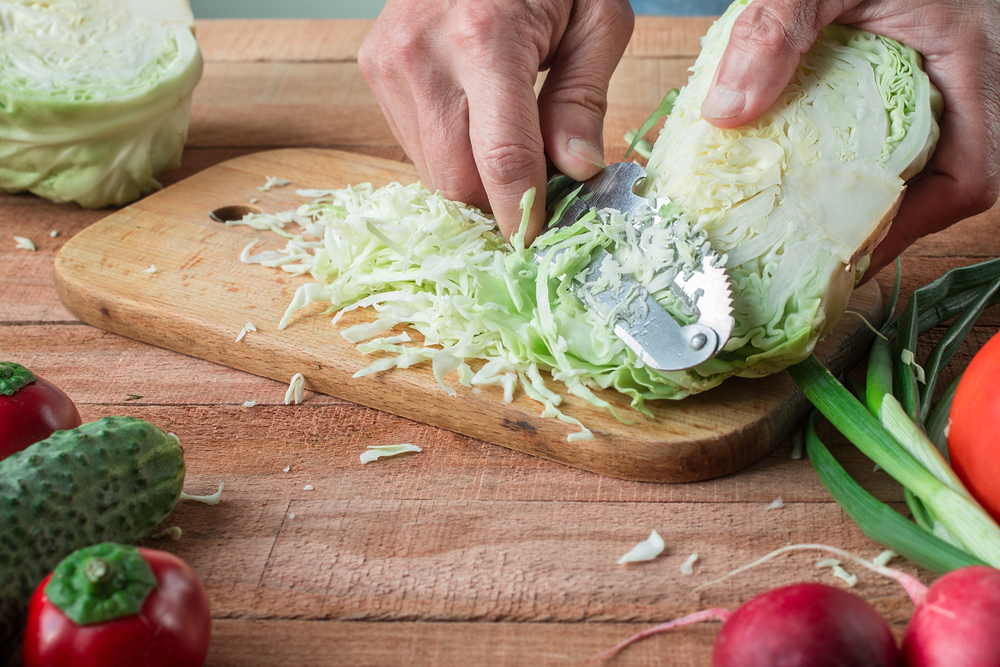
Still need convincing on cabbage? (Shutterstock image)
The Institute for Optimum Nutrition on how to elevate the humble cabbage.
Thinly slice red cabbage with carrot, apple and celery, and dress with cider vinegar and olive oil
Gently steam savoy cabbage leaves to use as wraps for your filling of choice
Dress simple steamed green cabbage with caraway seeds and olive oil
Braise half a cabbage and serve with toasted hazelnuts and a drizzle of olive oil or avocado oil
Cook green cabbage with spring greens in a little water and serve with butter and black pepper
To make a coleslaw, use red and white cabbage, some carrot and beetroot too. Thinly slice or grate the vegetables, then mix with olive oil and lemon juice, and sprinkle with sesame seeds
Quarter and core a large savoy cabbage before slicing the leaves into 1cm wide strips. Lightly sauté ½ cm cubes of good quality chorizo (half a ring should do) and thin slices of garlic (one or two cloves) for 5 minutes before adding the cabbage for a further 5 minutes. Optionally, stir in a large handful of chopped fresh coriander before serving.