OUR NEXT ONLINE OPEN DAY OF THE YEAR IS HAPPENING 14 NOVEMBER. DON’T MISS YOUR CHANCE TO LEARN ABOUT YOUR NEW CAREER! • BOOK YOUR TICKET FOR THE HEATHER ROSA TRIBUTE AND MITOCHONDRIA EVENT ON 30 OCTOBER • THE ‘BSC (HONS) NUTRITIONAL THERAPY’ AND ‘CERT HE PERSONALISED DIET AND HEALTH’ APPLICATION FOR THE FEBRUARY 2027 COHORT IS NOW OPEN. APPLY BY 10 NOVEMBER TO TAKE ADVANTAGE OF OUR EARLY-BIRD DISCOUNT • OUR NEW, LEVEL 7, POSTGRADUATE COURSE FOR MEDICAL PROFESSIONALS, ALLIED HEALTHCARE PRACTITIONERS AND CAM PRACTITIONERS IS NOW OPEN FOR APPLICATIONS •
OUR NEXT ONLINE OPEN DAY OF THE YEAR IS HAPPENING 14 NOVEMBER. DON’T MISS YOUR CHANCE TO LEARN ABOUT YOUR NEW CAREER! • BOOK YOUR TICKET FOR THE HEATHER ROSA TRIBUTE AND MITOCHONDRIA EVENT ON 30 OCTOBER • THE ‘BSC (HONS) NUTRITIONAL THERAPY’ AND ‘CERT HE PERSONALISED DIET AND HEALTH’ APPLICATION FOR THE FEBRUARY 2027 COHORT IS NOW OPEN. APPLY BY 10 NOVEMBER TO TAKE ADVANTAGE OF OUR EARLY-BIRD DISCOUNT • OUR NEW, LEVEL 7, POSTGRADUATE COURSE FOR MEDICAL PROFESSIONALS, ALLIED HEALTHCARE PRACTITIONERS AND CAM PRACTITIONERS IS NOW OPEN FOR APPLICATIONS •
AI is reshaping nutrition, giving people personalised plans based on genetics, gut health, sleep, and stress patterns.
Women’s health is front and centre, with smarter support for menopause, bone health, and metabolic balance.
Preventative care is rising, blending digital tools with the human connection only practitioners can offer.
Adaptogens, functional herbs, and whole‑food eating are going mainstream, replacing quick fixes with long‑term nourishment.
2026 is all about personalisation, where ancient wisdom and modern tech work together to create truly tailored wellbeing.
As 2026 unfolds, nutrition and lifestyle medicine are entering a new era defined by precision, personalisation, and a renewed respect for traditional wisdom. From AI driven health insights to adaptogenic coffee, culinary herbs, and whole food simplicity, our experts and industry professionals are seeing profound shifts in how individuals approach wellbeing.
Precision nutrition meets AI personalisation
For nutritional therapist and bone health Coach Maria Rigopoulou, the defining trend of 2026 is the integration of AI personalisation into precision nutrition.
AI now enables practitioners to combine genomics, bone scans, microbiome data, sleep patterns, and inflammatory markers into a single, actionable picture. This holistic approach allows for far more accurate and compassionate interventions, particularly for women navigating osteoporosis, menopause, or chronic stress.
Gut health remains central, but the old era of fibre maxxing is fading. Midlife women, Rigopoulou notes, respond better to smart fibre, choosing the right types, building gradually, and prioritising diversity rather than sheer volume. This nuanced approach has improved bloating, constipation, and metabolic comfort for her clients.
Adaptogens are also evolving. Instead of chasing energy, women are turning to plants that support the nervous system such as ashwagandha, holy basil, and reishi. These address cortisol balance, sleep, and emotional load, and even show beneficial effects on bone turnover.
Another emerging theme is retro rejuvenation, a return to slow cooked, mineral rich, traditional foods that feel grounding and supportive of connective tissue and bone. Rigopoulou sees this as a foundational element of long-term protocols.
Finally, multisensory formulations are gaining traction. By intentionally using aroma, texture, and temperature, meals and supplements become more calming, satisfying, and digestively supportive. For women experiencing appetite changes or emotional eating during perimenopause and menopause, this multisensory approach is proving transformative.
UK statistics reveal a sobering reality. Men live nearly 16 years with ill health before reaching their lifespan, and women 19 years. This gap between healthspan and lifespan presents both a challenge and an opportunity. Jackson believes nutritional therapy professionals are uniquely positioned to bridge it, offering personalised recommendations that improve wellbeing and longevity.
Jackson stresses that rapport and personal touch provide value that AI cannot replicate. Some GPs are beginning to seek funding and opportunities to collaborate with nutritional therapists, despite systemic challenges. BANT itself is working on projects to increase visibility and communicate the benefits of nutritional therapy to wider audiences. By early 2026, the organisation expects to be reaching more people through radio and social media campaigns.
The message is clear. In a world of digital health tools and AI driven platforms, preventative healthcare rooted in human connection remains irreplaceable.
Adaptogen coffee
If 2026 has a beverage trend, it is adaptogen coffee. ION academic and nutritional therapist, Kelly Hopley, highlights the market’s expected 5.9 percent growth next year, driven by consumers seeking stress resilience, mental clarity, and energy balance.
Adaptogen coffee blends traditional caffeine with herbs, mushrooms, and botanicals such as reishi, lion’s mane, ashwagandha, cordyceps, and ginseng. The result is a drink that promises to keep you calm yet caffeinated, the holy grail for many.
Formats are diversifying. Ready to drink iced coffees, instant blends, and nootropic infused products are gaining popularity, creating what Hopley calls an Arabica wave. As major players enter the industry, adaptogen coffee is poised to move from novelty to cupboard staple.
Looking ahead, Hopley predicts that personalised blends fortified with vitamins and minerals will dominate the market. Adaptogen coffee is no longer niche, it is becoming a mainstream wellness tool.
Whole food simplicity
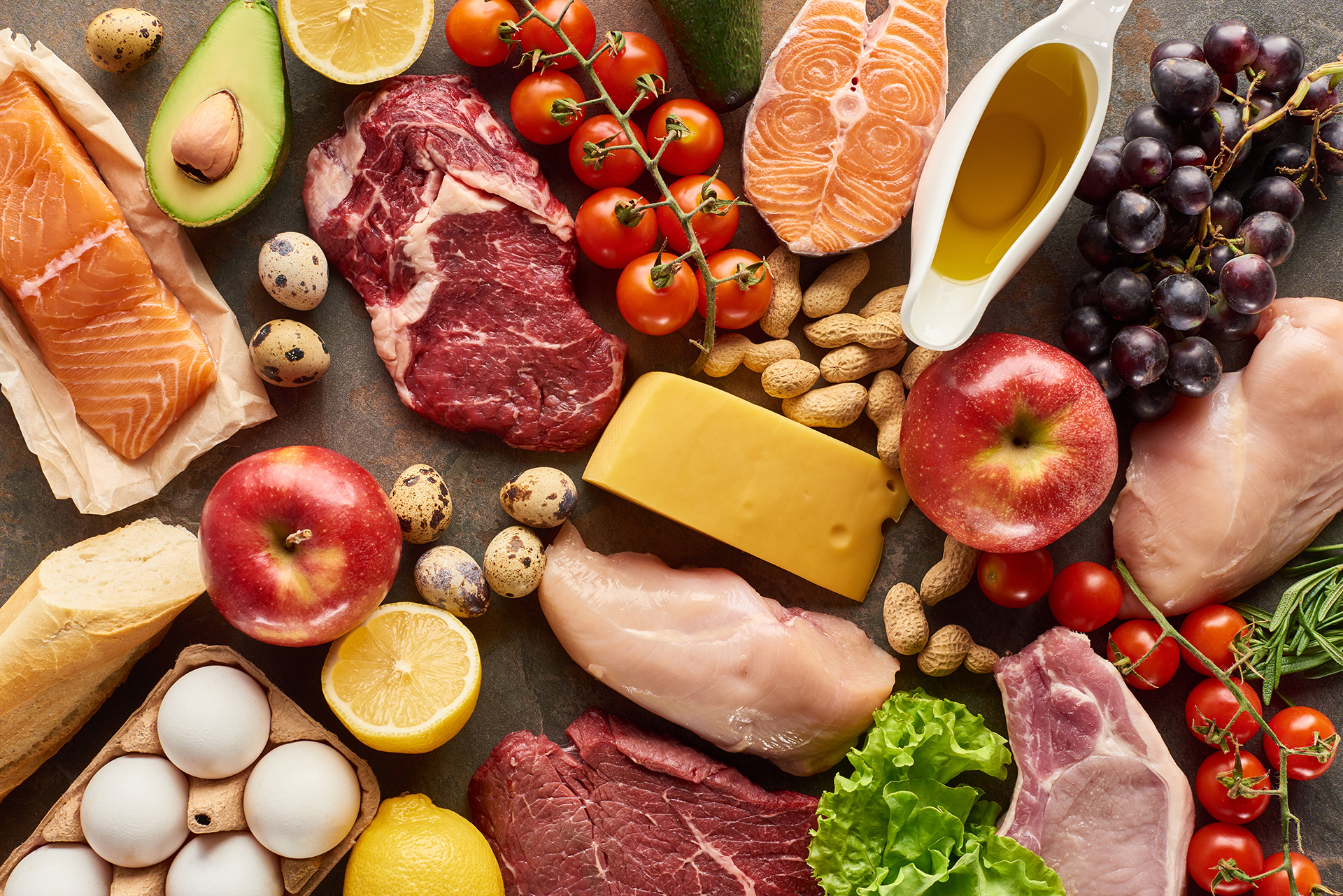
Bailey predicts 2026 as a year of whole food simplicity (Shutterstock image)
Nutritional therapist and ION Fellow, Christine Bailey, sees 2026 as a year of consumer pivot toward whole food simplicity and heightened concern over ultra processed foods. With 96 percent of people failing to meet fibre recommendations, the fibre gap remains a pressing issue.
But Bailey argues that the solution is not simply more fibre. Instead, precision fibre, targeting specific types to suit individual gut microbiomes and metabolic profiles, is emerging as a core focus. Combined with fermented foods and postbiotic ingredients, this approach supports the gut brain axis, influencing mood, cognition, and immune resilience.
Other forces are shaping dietary patterns. GLP-1 medications, widely used for weight management, are accelerating a shift toward protein and nutrient dense meals, reducing ultra processed food consumption and snacking. Bioactive peptides are gaining attention as functional protein fragments that support metabolic health, tissue repair, immune function and longevity.
Bailey also highlights the growing narrative of healthy longevity. Advances in biomarkers of ageing and wearable data are enabling truly personalised strategies that maximise healthspan, not just lifespan.
Finally, nervous system support is evolving beyond adaptogens. Mind body techniques such as breathwork, paced breathing, and somatic practices are becoming mainstream tools for improving stress, sleep, and emotional balance.
Together, Bailey sees 2026 as a fusion of whole food nourishment, personalised insight, mind body integration, and targeted bioactives, all driving a decisive move away from ultra processed foods.
Culinary herbs as functional medicine
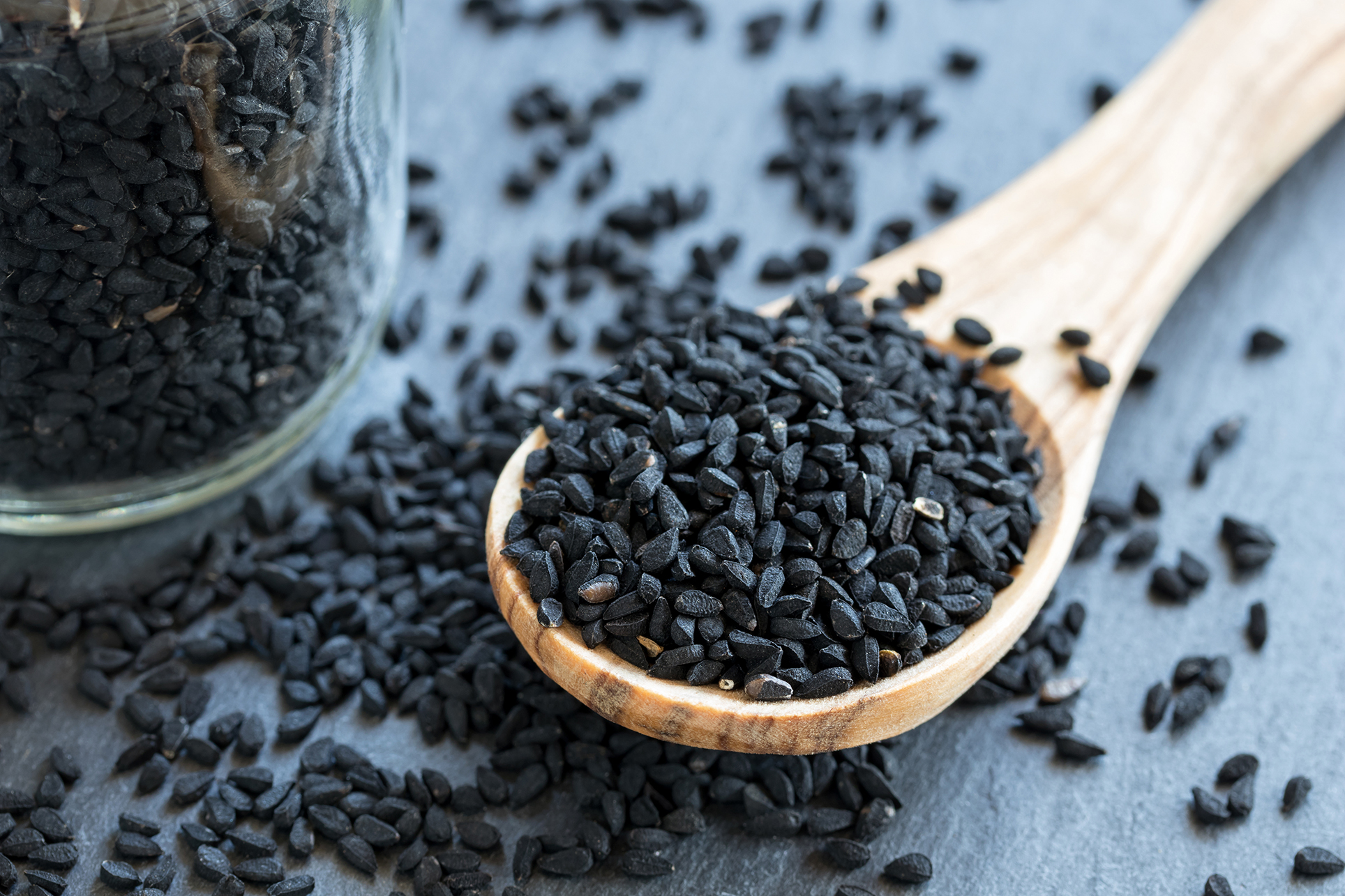
Black cumin seeds (Shutterstock image)
Nutritional therapist and ION academic, Nicole Taylor, predicts that culinary herbs will transition from flavour enhancers to functional nutrition tools in 2026.
Herbs such as Nigella sativa, also known as black cumin, and Crocus sativus, or saffron, exemplify this evolution. Black cumin demonstrates benefits for metabolic health, including improved lipid profiles and glycaemic control. Saffron shows promise in reducing depressive symptoms and supporting emotional wellbeing. Rosemary, long studied for its effects on memory and cerebral circulation, continues to attract interest.
This trend reflects the broader movement toward food as medicine and integrative health strategies. Consumers are increasingly seeking authenticity and science backed functionality, driving innovation in nutraceuticals and approachable delivery methods. Products such as saffron and adaptogen based gummies, marketed as Happy Drops, illustrate this convergence of tradition and modernity.
Market projections underscore the momentum. The global saffron market is expected to grow at 6 to 7 percent CAGR through 2030, while black cumin is gaining traction in functional foods and supplements. By 2026, over 40 percent of health-conscious consumers are predicted to incorporate functional herbs into their diets.
For Taylor, culinary herbs represent a bridge between traditional wisdom and modern science, becoming cornerstones of precision nutrition.
The common thread is personalisation, whether through AI, targeted fibre, adaptogen blends, or functional herbs. At the same time, there is a clear return to roots: traditional foods, slow cooking, and herbs long valued for their medicinal properties.
It’s not about abandoning technology or tradition in 2026 but weaving them together. Precision meets heritage, AI meets human touch, and science meets sensory experience. The result is a more compassionate, effective, and sustainable approach to health, one that promises to extend not just lifespan, but healthspan.