OUR NEXT ONLINE OPEN DAY OF THE YEAR IS HAPPENING 14 NOVEMBER. DON’T MISS YOUR CHANCE TO LEARN ABOUT YOUR NEW CAREER! • BOOK YOUR TICKET FOR THE HEATHER ROSA TRIBUTE AND MITOCHONDRIA EVENT ON 30 OCTOBER • THE ‘BSC (HONS) NUTRITIONAL THERAPY’ AND ‘CERT HE PERSONALISED DIET AND HEALTH’ APPLICATION FOR THE FEBRUARY 2027 COHORT IS NOW OPEN. APPLY BY 10 NOVEMBER TO TAKE ADVANTAGE OF OUR EARLY-BIRD DISCOUNT • OUR NEW, LEVEL 7, POSTGRADUATE COURSE FOR MEDICAL PROFESSIONALS, ALLIED HEALTHCARE PRACTITIONERS AND CAM PRACTITIONERS IS NOW OPEN FOR APPLICATIONS •
OUR NEXT ONLINE OPEN DAY OF THE YEAR IS HAPPENING 14 NOVEMBER. DON’T MISS YOUR CHANCE TO LEARN ABOUT YOUR NEW CAREER! • BOOK YOUR TICKET FOR THE HEATHER ROSA TRIBUTE AND MITOCHONDRIA EVENT ON 30 OCTOBER • THE ‘BSC (HONS) NUTRITIONAL THERAPY’ AND ‘CERT HE PERSONALISED DIET AND HEALTH’ APPLICATION FOR THE FEBRUARY 2027 COHORT IS NOW OPEN. APPLY BY 10 NOVEMBER TO TAKE ADVANTAGE OF OUR EARLY-BIRD DISCOUNT • OUR NEW, LEVEL 7, POSTGRADUATE COURSE FOR MEDICAL PROFESSIONALS, ALLIED HEALTHCARE PRACTITIONERS AND CAM PRACTITIONERS IS NOW OPEN FOR APPLICATIONS •
Stricter UK school food rules target fried and sugary foods
caption
Chefs are working alongside headteachers to reduce fried food
image credits
Shutterstock
CATEGORY
ChildrenHealth and wellbeingNutritional therapy
TAGS
dietfoodnutritionnutritional therapysugar
AUTHOR
Verónica Muñoz Martínez
READ TIME
9 Minutes
PUBLISHED
19 May 2026
SHARE
Key takeaways
The proposed changes to UK school dinners aim to reduce or remove deep-fried foods and high-sugar items from school meals.
Schools would be encouraged to offer more fresh, balanced options such as fruit, vegetables and wholegrains.
The reforms target ultra-processed “grab-and-go” foods like pizza and sausage rolls in favour of healthier alternatives.
The policy forms part of a wider public health strategy to improve children’s long-term nutrition and wellbeing.
The government is set to ban deep-fried foods and tighten restrictions on sugary items from the next school year, amid growing concern over the UK’s child obesity rates. Verónica Muñoz Martínez asks several ION experts whether this will be enough to make a difference.
Do you remember the juice cartons in your school lunchbox, or the yoghurt served for dessert? Products dressed up as healthy — splashed with images of fruit and bright colours — but in reality, often loaded with sugar.
It’s a nostalgic image, but one that reflects a much larger issue.
Free sugars refer to any sugars added to foods and drinks by manufacturers, cooks, or consumers, as well as those naturally found in honey, syrups, and fruit juices.
Now, schools are under pressure to respond. A new overhaul of school food standards — the first in over a decade — aims to cut sugary items and improve the nutritional quality of school meals, with changes expected to come into force the next academic year.
But for many nutritional therapists, the reforms raise an important question: how far can school food go in tackling a problem that begins long before children reach the classroom?
What’s changing in UK school dinners?
The new measures on primary school meals, part of the government’s 10-Year Health Plan, include:
Free breakfast clubs in every primary school
An extension of free school meals to an additional half a million children
Updated school food standards, last revised in 2014
A greater emphasis on high-fibre, whole foods
Primary schools are expected to begin revising menus over the coming months, with full implementation likely from the start of the next academic year, although some are expected to move sooner.
The policy comes amidst growing concern over children’s health, after the UK ranked among the highest in Europe for child obesity.
More than 90% of children do not meet recommended fibre intakes, a gap linked to poorer digestive health and increased long-term disease risk. Childhood obesity also continues to rise: Last year, more than one in 10 children classified as obese by the age of four to five, increasing to 22.1% by the end of primary school, and reaching nearly 30% in the most deprived areas.
A survey by Chefs in Schools found that 96% of parents believe school meals should be made with fresh, nutritious ingredients, while more than 80% support stronger national standards. Parents, school staff and nutrition professionals are also being invited to contribute to an online survey to help shape future school food policy.
Nutritional therapists emphasise that optimum nutrition is central not only to physical health, but also to lifelong eating behaviours and family food culture
‘Real food keeps you full’
Steve Bennett, an ION patron, health coach, founder of Clubwell and seven-time author, supports efforts to make school meals healthier but also advocates for broader action to regulate food labelling.
“In most breakfast clubs, the main sponsors are Pepsi and Kellogg’s. That’s not changing,” he says.
This year, a new regulation to restrict TV and online adverts for high fat, sugar and salt (HFSS) products came into force to tackle child obesity. However, some fast-food brands are still able to advertise under certain conditions, highlighting ongoing gaps in regulation.
Bennett is also wary of oversimplifying the debate around fatty, fried foods.
Anything that takes sugary foods off the menu is a good thing. But we shouldn’t automatically vilify fried food – it depends on how it is cooked and the oils used.
His campaign against obesity and misleading food labelling is rooted in personal experience. He says he found it challenging to lose weight despite following conventional health advice. “I was jogging most mornings, exercising most days, doing everything I was told – drinking orange juice because it was ‘healthy’, eating Special K because of the messaging on the box,” he says. “But nothing worked.”
Steve Bennett’s before and after
It was only after taking a break from his jewellery business and seeking advice from nutritional therapists that he began to develop a deeper understanding of healthy eating. Since publishing his book Britain is Sick, Bennett has become a prominent voice in the nutrition space.
He now works with the Public Health Collaboration, is rolling out the Real Food Rebellion, and collaborates with the Food, Diet and Obesity Committee at the House of Lords, where he advocates for stricter regulation of food labelling and marketing. When it comes to cooking nutritious meals on a budget, Bennett argues that while ultra-processed foods may appear cheaper on a per-meal basis, they can be more costly in the long run.
When you have a bowl of cornflakes, your blood sugar rises quickly and then crashes,” he says. “You are far more likely to snack mid-morning. If you eat real food that keeps you full, you don’t need to snack.
Now a father of two, he says he prioritises sharing his nutritional knowledge at home, where he batch cooks every week and teaches his kids about the importance of healthy eating. “We made a ragu last weekend and deliberately cooked about 30 portions because it’s just easier,” he says.
Bennett also advocates for a more individualised approach to nutrition, alongside improved education and practical support for parents.
If a child is already obese at 12, I might tell them not to eat bananas, but for a lean, active seven-year-old, a banana is fine. You can’t say all fruit or vegetables are good for everyone. Some people may be insulin resistant and need to limit certain carbohydrates.
Early years and eating habits at home
For Hannah Love, an ION alumna and nutritional therapist specialising in early years nutrition, education must begin before school age.
These children aren’t obese because of what they’re having for lunch at school. The issue is what happens outside school and the lack of education around food.
Love, a registered paediatric nurse who worked on a chronic constipation ward, says her experience led her to retrain as a nutritional therapist after seeing children heavily medicated were eating ‘smiley faces and sausages’.
I just knew there were other things you could do.
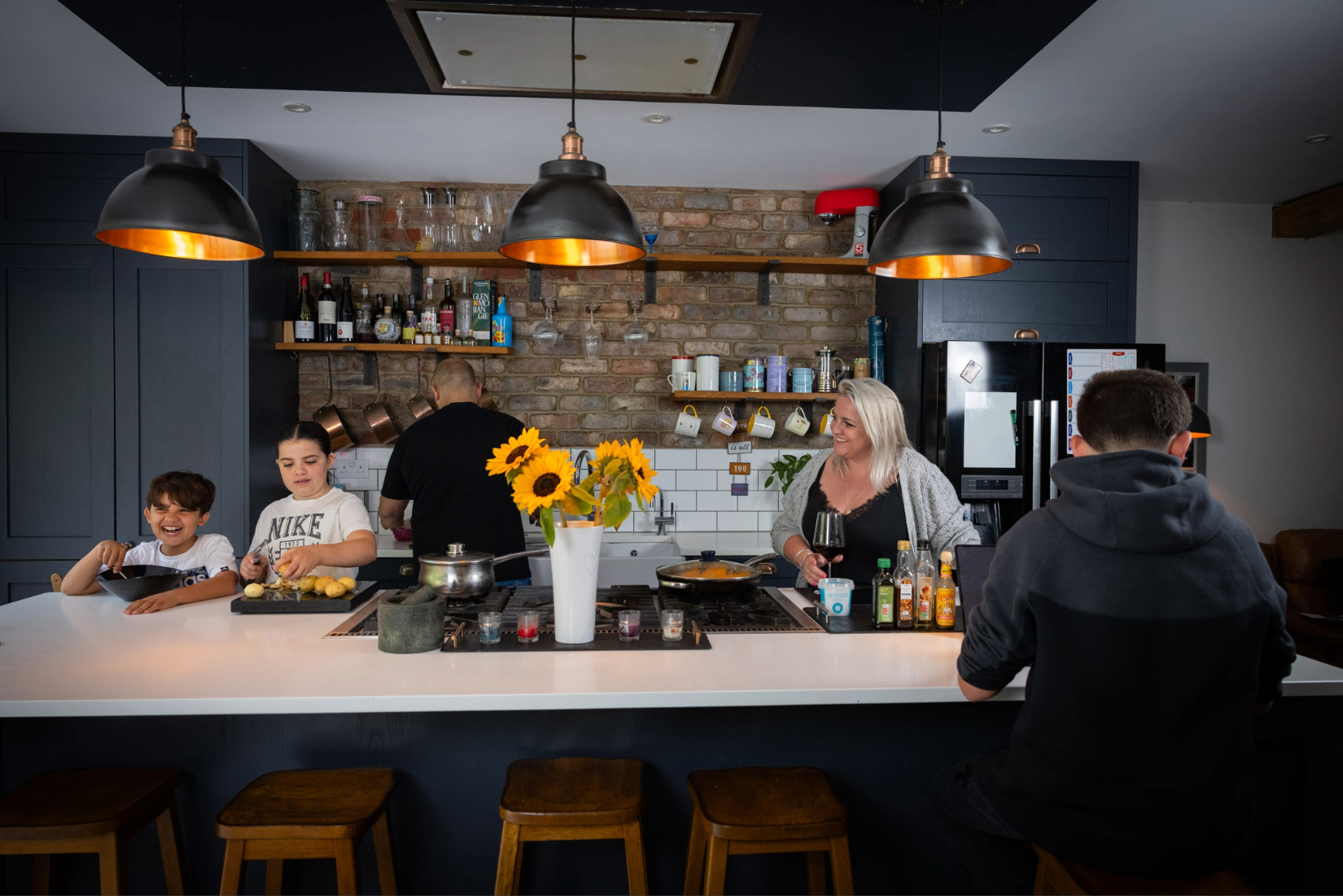
Hannah Love and her family
Now a mother of three and founder of Sleep Well with Hannah, she runs workshops on child nutrition, baby sleep and fussy eating, with online workshops reaching over 5,000 parents. While she welcomes the government’s plans, she says they do not go far enough, arguing that school meals are only a small part of a much wider issue.
Love previously worked at the National Nutrition Clinic and the government-led Sure Start centres, where she set up clinics on fussy eating, food refusal and infant feeding, alongside cookery lessons. While some centres still exist, many have been reduced or rebranded as ‘family hubs’, now called ‘Best Start’. She is also concerned about the influence of social media, where fear of textures driven by choking-related content is leading some parents to delay food introduction. Love stresses the importance of early exposure to whole foods:
If a child knows what a carrot, a pea or a piece of fish looks like, they’re much more likely to accept those foods,” she said, warning that reliance on purées can “prevent children from recognising ingredients later.
At the same time, like Bennett, Love says parents are navigating a confusing food landscape in which high-sugar products are often perceived as healthy and portion sizes are underestimated.
Some cereals are worse than biscuits, and children are eating them every morning.
Her advice is practical rather than prescriptive:
Repeated exposure to foods
Involving children in cooking
Simple meal planning with gradual variety and batch cooking to support consistency
How nutrition supports children’s mental health
Belén Vásquez, a mother of three based in Dublin, turned to nutrition after struggling to support her eldest child’s difficulties with focus and behaviour at school.
I had my first child, who was about to be diagnosed with dyslexia and dyspraxia by the school. He was also quite unsettled, always jumping around, pushing other children in the yard. It was a wake-up call. I thought there must be something I could do as a mother.
She sought help from a kinesiologist, who suggested removing gluten from her son’s diet. At the time, gluten-free options were not widely available. Within two weeks of making the change, she noticed a shift: “His concentration improved, his writing changed, even the way he formed letters. It was unbelievable. I was so shocked that I thought I had to learn more about this.”
As his behaviour and focus improved, the school decided not to proceed with further assessments. Vázquez still keeps his son’s school notebook and shows it to her clients as a record of where it all began. “He was my first client. They [her sons] have been on my Instagram so many times that they say, ‘Mum, not again’,” she says, laughing.
Now at university, her son has grown into a young adult who is highly aware of what he eats. She says he often calls her while travelling with friends to complain about eating too many baguettes and missing home-cooked meals and salads.
This experience led her to study at the Institute for Optimum Nutrition, where she graduated a decade ago. Today, she runs her clinic, Belen Optimum Health, helping children and families manage chronic conditions through a whole foods approach.
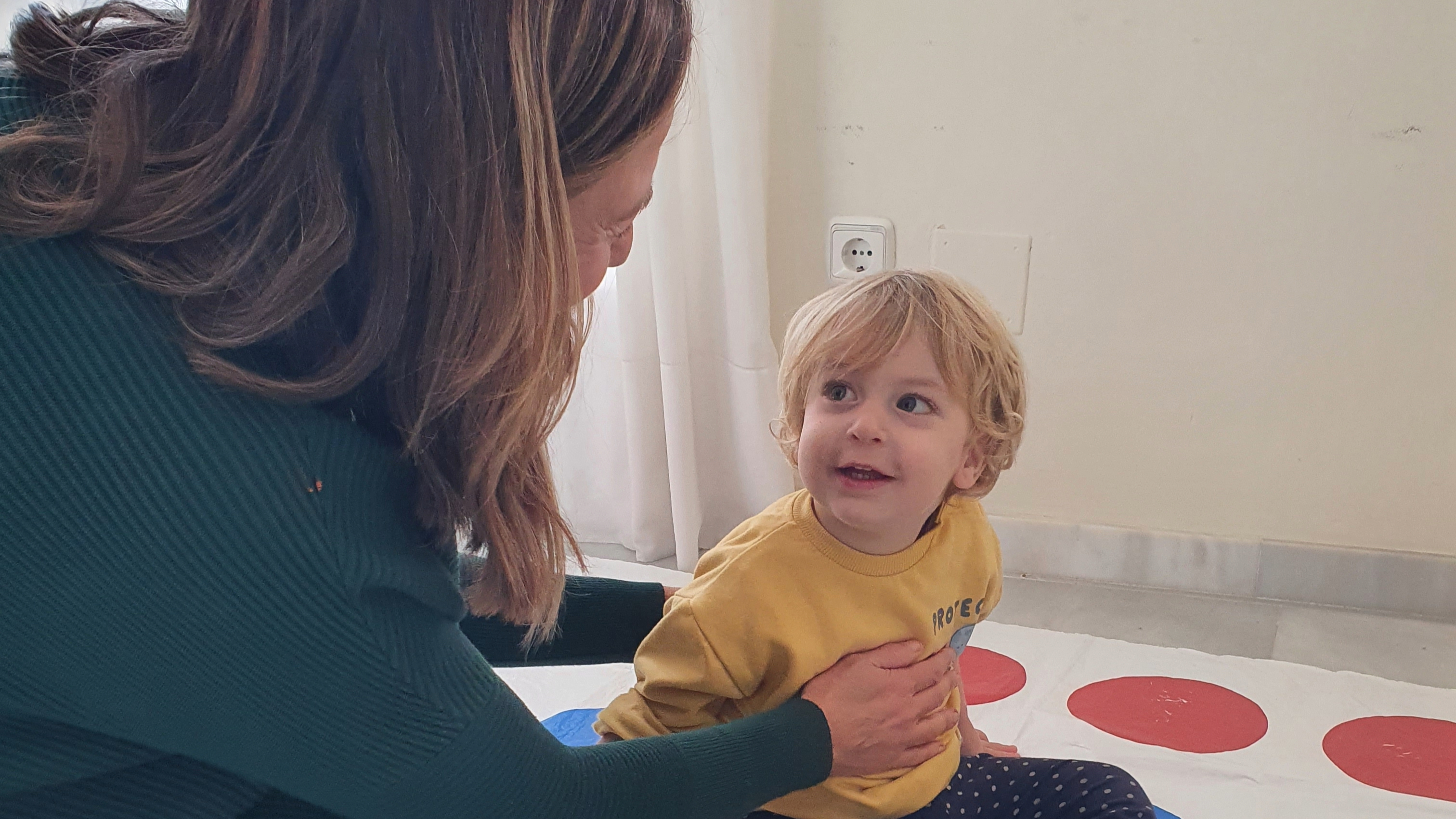
Belen Vásquez with a client
While she welcomes the government efforts to improve school food, Vázquez believes change starts much closer to home, at the dining table. Her work focuses on helping families cook and eat together, encouraging long-term habits that can be passed on to children. For more tips, you can read her articles on getting kids to eat more veggies and optimising your family dinners.
The tightening of school food standards marks a significant step in the UK’s approach to tackling child obesity. However, experts suggest it is only one part of a more complex picture. Without a more joined-up strategy that combines education, parental support and stricter regulations on the food industry, improvements in school meals alone may do little to shift the deeper cultural and behavioural dietary habits. Even so, ensuring that every child has access to nutritious food at school is a vital and positive development, particularly for those in more deprived communities.