OUR NEXT IN-PERSON OPEN EVENT TAKES PLACE 6 JUNE • ENROL ON OUR FULL-TIME BSC (HONS) NUTRITIONAL THERAPY COURSE OR THE CERT HE PERSONALISED DIET AND HEALTH BY THE 09 JUNE 2026 AND SAVE UP TO £470 •
OUR NEXT IN-PERSON OPEN EVENT TAKES PLACE 6 JUNE • ENROL ON OUR FULL-TIME BSC (HONS) NUTRITIONAL THERAPY COURSE OR THE CERT HE PERSONALISED DIET AND HEALTH BY THE 09 JUNE 2026 AND SAVE UP TO £470 •
Stress can take it's toll, physically, mentally and emotionally
image credits
Shutterstock
CATEGORY
Health and wellbeing
TAGS
stress
AUTHOR
Catherine Morgan
READ TIME
7 Minutes
PUBLISHED
14 April 2026
SHARE
Stress is often seen as something to avoid, yet in the right amounts it can play a role in keeping us alert, focused, and resilient. Catherine Morgan explains how stress works, when it becomes harmful, and what you can do to restore balance.
Stress is something we all experience at different points in life, and most of us are familiar with how it manifests in our bodies and minds. Yet, despite its negative reputation, stress isn’t inherently harmful. In fact, the stress response is a natural and remarkable biological process that, from an evolutionary perspective, has played a vital role in human survival. As such, it can even be beneficial – when functioning as intended.
The challenge arises when stress becomes excessive or constant. As with many things, moderation is key. A little stress can be a good thing, but too much can begin to negatively impact our physical, mental, and emotional wellbeing.
If you’re feeling overwhelmed, run down, or unhappy due to stress, it may be a sign that something needs to shift. And with April marking Stress Awareness Month, it’s an ideal opportunity to reflect and make positive changes.
Making sense of stress
Stress is a normal part of everyday life. It can be triggered by a wide range of factors – financial concerns, work pressures, health issues, relationships, long commutes, global conflicts… the list goes on. However, not everyone responds to these triggers in the same way.
Our experience of stress is largely shaped by perception. A situation that feels overwhelming to one person may feel motivating or manageable to another. Events like public speaking, exams, moving house, or even driving can be interpreted very differently depending on the individual.
Biologically, stress is rooted in survival. When we perceive danger, the body activates the hypothalamic-pituitary-adrenal (HPA) axis, triggering the release of hormones such as adrenaline and cortisol, which prepare us for swift action. This “fight or flight” response once enabled our ancestors to escape threats and stay alive.
In modern life, however, many stressors are not life-threatening. Yet the body can still react as if they are, producing physical symptoms like a racing heart, shallow breathing, and increased blood pressure – even when sitting in traffic or facing a busy schedule.
But stress isn’t all bad. The concept of hormesis explains how moderate, short-term stress can actually be beneficial. Experiences like a challenging workout, a demanding project, or brief periods of discomfort can trigger adaptive responses in the body and mind, helping to build resilience and prepare us for future challenges. In this way, acute stress can be both protective and motivating – enhancing focus, boosting energy, and improving performance when we need it most.
The issue arises when stress becomes constant. The stress response is designed to be short-lived, allowing the body to return to a calm, balanced state once a challenge has passed. However, modern life often exposes us to ongoing, low-level stress that doesn’t switch off.
Over time, this chronic activation can take its toll, contributing to a range of health problems, such as headaches, fatigue, poor sleep, digestive issues, weakened immunity, heart disease, and mental health conditions like anxiety and depression.
The stress-nutrition connection – anutritional therapist’s perspective
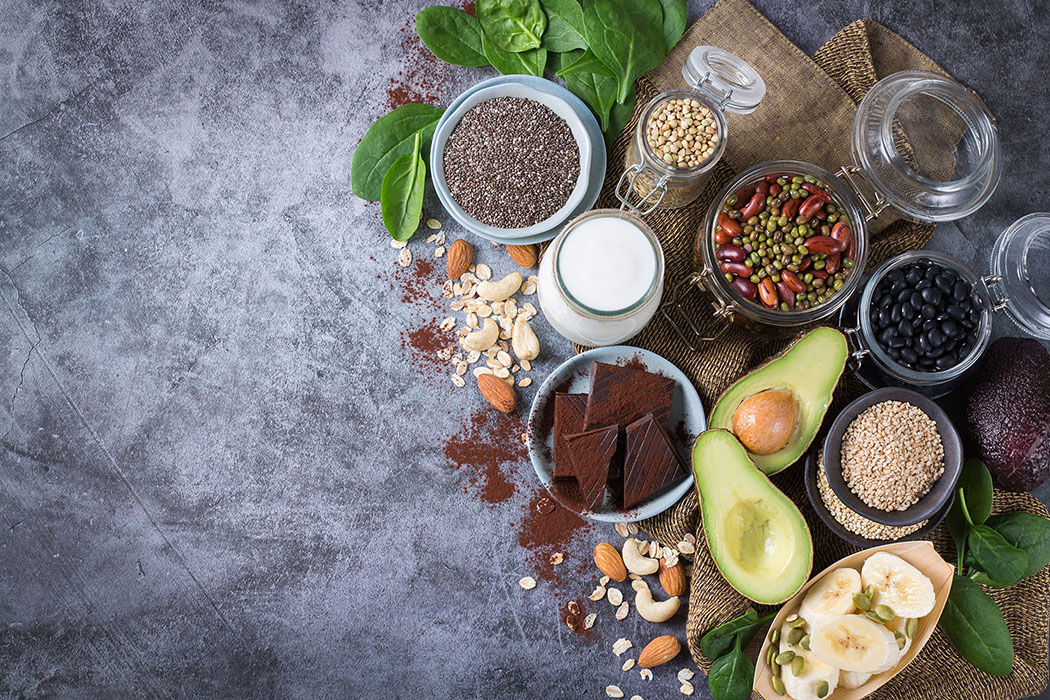
Foods rich in magnesium (Shutterstock image)
From a nutritional therapy perspective, stress and food are inseparable – and the relationship works in both directions, says Nicola Moore, registered nutritional therapist and Fellow of ION.
“When stress is elevated, the HPA axis is activated, increasing cortisol and adrenaline. In this state, appetite regulation often shifts. Some people lose their appetite and skip meals, while others experience increased cravings for quick-energy foods such as refined carbohydrates, sugar, caffeine, or highly palatable snacks. This is not a lack of willpower; it’s a predictable physiological response to perceived threat, where the body prioritises immediate energy availability.”
The reverse is also true: food choices can either amplify or help regulate the stress response.
“When we eat irregularly, under-fuel, or rely heavily on caffeine and high-sugar foods, we can inadvertently maintain a state of physiological stress,” explains Moore. “Blood glucose fluctuations, in particular, can be interpreted by the body as a form of internal stress, contributing to symptoms such as irritability, anxiety, and fatigue.”
Conversely, balanced meals containing protein, fibre, and healthy fats help to stabilise blood glucose and support a more regulated hormonal environment, she says. This in turn reduces the frequency of stress-driven adrenaline release.
“Stable post-meal blood glucose and adequate energy availability allow the body to reduce counter-regulatory stress hormones such as cortisol and adrenaline. In simple terms, consistency of nourishment helps shift the body out of ’emergency fuel’ mode,” says Moore.
There is also an important nutrient dimension. During periods of chronic stress, Moore explains, nutrients such as magnesium are utilised more rapidly, as they are involved in nervous system regulation and the body’s stress response pathways. Low intake of magnesium-rich foods – such as leafy greens, nuts, seeds, legumes – can compound stress sensitivity in some individuals.
Clinically, one of the most striking patterns Moore has observed is the impact of caffeine reduction combined with regular, grounding meals.
“In some individuals, removing caffeine – which stimulates adrenaline – alongside consistent protein-rich meals leads to a noticeable reduction in anxiety symptoms, palpitations, and emotional reactivity within days to weeks,” she says.
“Overall, this creates a clear feedback loop: stress influences how we eat, and how we eat influences how resilient we are to stress. Supporting regular nourishment is therefore not just about energy intake – it is a foundational tool in regulating the stress response itself. “
Taking control of stress
Managing stress can help support wellbeing (Shutterstock image)
While it’s unrealistic to eliminate stress completely, it is possible to reduce its impact and build healthier ways of responding to it. Small, consistent actions can make a significant difference over time.
The Stress Management Society’s 2026 Stress Awareness Month campaign #BeTheChange is a “call to personal agency, action, transformation rooted in the principles of self-efficacy, neuroplasticity, and relational connection”. People often wait for others to create change, doubting their own impact – but history shows change starts when individuals take action. #BeTheChange is about turning awareness into action, reminding us that small personal choices can reduce stress and positively influence both our own lives and those around us.
Take action with 11 simple strategies:
Eat well: Support your body with balanced, nutrient-rich meals instead of quick fixes like caffeine or sugar.
Prioritise sleep: Stick to a consistent routine to support body and mind.
Stay connected: Reach out to others for support and connection.
Keep moving: Choose any form of movement you enjoy – walking, stretching, or sports – to boost mood and wellbeing.
Breathe deeply: Slow, steady breathing can help shift your body into a more relaxed state.
Get outdoors: Time in nature can calm the mind and refresh your senses.
Set boundaries: Don’t be afraid to say no to protect your time and energy.
Limit negativity: Take breaks from news and social media when it feels overwhelming.
Stay organised: Break tasks into smaller steps to reduce stress and improve focus.
Reframe challenges: Look for opportunities to learn or grow from difficult situations.
Make time for joy: Do things you enjoy to relax, recharge, and reset.
A healthier relationship with stress
Stress may be unavoidable, but it doesn’t have to control your life or damage your wellbeing. The key is recognising when it becomes too much and taking steps to manage it before it takes a toll.
Living in a constant state of “fight or flight” isn’t sustainable – and in most cases, it isn’t necessary. By making small, intentional changes and building supportive habits, you can create a more balanced and resilient response to life’s challenges.
Remember, managing stress doesn’t require perfection. Even small steps, taken consistently, can lead to meaningful and lasting improvements.
Good to know
Stress Awareness Month is an annual event observed every April since 1992, dedicated to increasing public awareness about the causes, effects, and management of stress. The Stress Management Society, a nonprofit organisation established in 2003, has been championing this initiative for over two decades. Its mission is to help individuals and organisations recognise and reduce stress, fostering happier, healthier, and more resilient communities.