OUR NEXT ONLINE OPEN EVENT IS HAPPENING 11 SEPTEMBER. DON’T MISS YOUR CHANCE TO LEARN ABOUT YOUR NEW CAREER! • THE ‘BSC (HONS) NUTRITIONAL THERAPY’ AND ‘CERT HE PERSONALISED DIET AND HEALTH’ APPLICATION DEADLINE IS CLOSING SOON – APPLY TODAY! • WE HAVE A NEW, LEVEL 7, POSTGRADUATE COURSE LAUNCHING FEB 2027 FOR MEDICAL PROFESSIONALS, ALLIED HEALTHCARE PRACTITIONERS AND CAM PRACTITIONERS • FROM THE VAULT: EXPLORE COMPLETE BACK ISSUES OF OPTIMUM NUTRITION MAGAZINE FOR FREE • BOOK YOUR TICKET FOR THE HEATHER ROSA TRIBUTE AND MITOCHONDRIA EVENT ON 30 OCTOBER •
OUR NEXT ONLINE OPEN EVENT IS HAPPENING 11 SEPTEMBER. DON’T MISS YOUR CHANCE TO LEARN ABOUT YOUR NEW CAREER! • THE ‘BSC (HONS) NUTRITIONAL THERAPY’ AND ‘CERT HE PERSONALISED DIET AND HEALTH’ APPLICATION DEADLINE IS CLOSING SOON – APPLY TODAY! • WE HAVE A NEW, LEVEL 7, POSTGRADUATE COURSE LAUNCHING FEB 2027 FOR MEDICAL PROFESSIONALS, ALLIED HEALTHCARE PRACTITIONERS AND CAM PRACTITIONERS • FROM THE VAULT: EXPLORE COMPLETE BACK ISSUES OF OPTIMUM NUTRITION MAGAZINE FOR FREE • BOOK YOUR TICKET FOR THE HEATHER ROSA TRIBUTE AND MITOCHONDRIA EVENT ON 30 OCTOBER •
A kitchen-top chia seed explosion prompts Natalie Li to look at seven reasons why these tiny seeds bring surprisingly mighty benefits.
Key takeaways
Chia seeds are high in fibre and omega‑3
They support gut health and digestion
They help steady blood sugar levels
Omega‑3 ALA benefits heart health
Fibre boosts fullness and appetite control
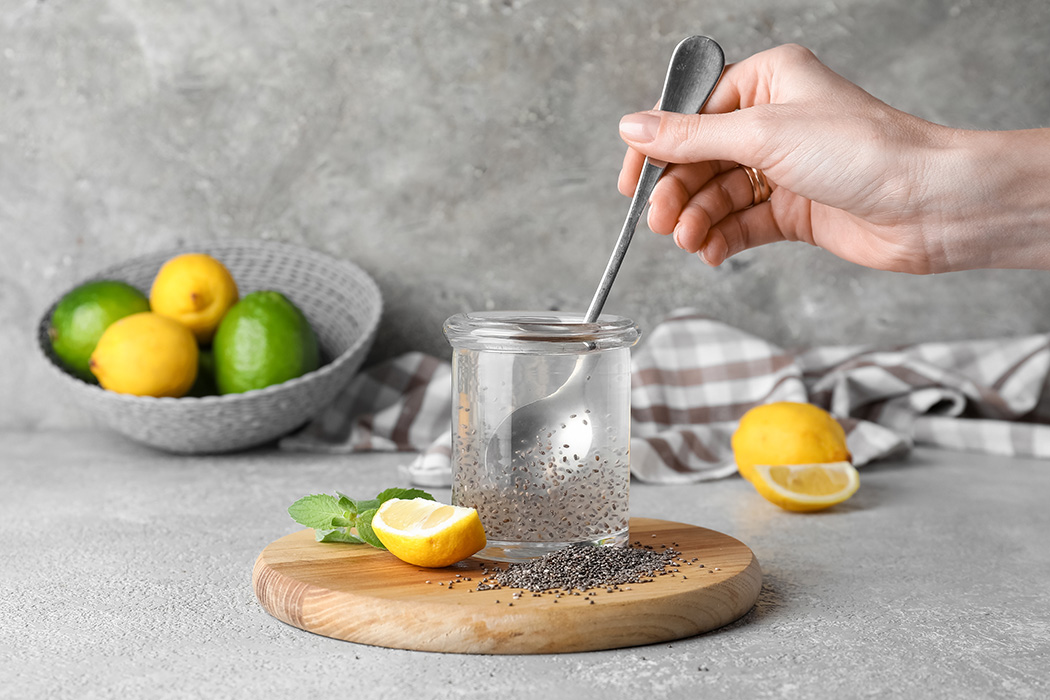
The other day my partner accidentally sprayed hundreds of chia seeds across the kitchen worktops – a perfect chia‑storm. Some even landed in the butter dish, where they sat snugly like confetti. “They’re like glitter,” he muttered, cursing me for leaving the packet open.
But if you’re going to have a kitchen coated in anything, chia seeds are not the worst offenders. These tiny escape artists bring many nutritional benefits, and as physician researcher Dr William Li often highlights, they’re one of the simplest daily additions you can make to support gut, metabolic, and vascular health. Beneath their teeny-tiny appearance lies a wealth of scientific evidence supporting their benefits.
Here are seven evidence‑informed reasons why chia seeds deserve their glitter‑like reputation.
1. They’re exceptionally nutrient‑dense
Chia seeds pack an impressive amount of dietary fibre, plant‑based omega‑3 fatty acids (ALA), protein, and essential minerals such as calcium, magnesium and phosphorus. Their nutrient density makes them a smart “micro‑boost” food – a small addition that delivers meaningful health benefits over time.
2. They support gut health through fibre and gel formation
Chia gel slows the digestion of carbohydrates, which can help reduce post‑meal glucose spikes. This makes chia particularly useful for people looking to support metabolic health or maintain steady energy levels throughout the day.
A study showed that chia consumption significantly reduced postprandial glucose levels and improved satiety in people with type 2 diabetes.
4. They support heart and vascular health
Chia seeds are one of the richest plant sources of alpha‑linolenic acid (ALA), a type of omega‑3 fatty acid with anti‑inflammatory and cardioprotective effects. Research suggests that foods rich in ALA may improve endothelial function –,the health of the blood vessel lining – and reduce cardiovascular risk.
5. They may support healthy weight management
Chia’s high fibre content increases satiety, and the gel expands in the stomach, helping people feel fuller for longer. This makes chia a useful tool for appetite regulation, not a magic weight‑loss food, but a supportive one.
6. They’re versatile and easy to use
One of the reasons chia seeds have become so popular is their practicality. Unlike flaxseed, chia does not need to be ground to release nutrients. They can be sprinkled into:
Across his work, Dr Li often highlights chia seeds as a simple, accessible way to support gut, metabolic, and vascular health. His core message is that small, consistent dietary choices can have a compounding effect and chia fits that philosophy perfectly.
A tablespoon or two a day, well‑hydrated and paired with whole foods, can deliver a meaningful nutritional boost. And if a few rogue seeds end up in the butter dish along the way, well, so be it.