OUR FINAL IN-PERSON OPEN DAY OF THE YEAR IS HAPPENING 3 OCTOBER. DON’T MISS YOUR CHANCE TO LEARN ABOUT YOUR NEW CAREER! • THE ‘BSC (HONS) NUTRITIONAL THERAPY’ AND ‘CERT HE PERSONALISED DIET AND HEALTH’ APPLICATION DEADLINE IS CLOSING SOON – APPLY TODAY! • WE HAVE A NEW, LEVEL 7, POSTGRADUATE COURSE LAUNCHING FEB 2027 FOR MEDICAL PROFESSIONALS, ALLIED HEALTHCARE PRACTITIONERS AND CAM PRACTITIONERS • FROM THE VAULT: EXPLORE COMPLETE BACK ISSUES OF OPTIMUM NUTRITION MAGAZINE FOR FREE • BOOK YOUR TICKET FOR THE HEATHER ROSA TRIBUTE AND MITOCHONDRIA EVENT ON 30 OCTOBER •
OUR FINAL IN-PERSON OPEN DAY OF THE YEAR IS HAPPENING 3 OCTOBER. DON’T MISS YOUR CHANCE TO LEARN ABOUT YOUR NEW CAREER! • THE ‘BSC (HONS) NUTRITIONAL THERAPY’ AND ‘CERT HE PERSONALISED DIET AND HEALTH’ APPLICATION DEADLINE IS CLOSING SOON – APPLY TODAY! • WE HAVE A NEW, LEVEL 7, POSTGRADUATE COURSE LAUNCHING FEB 2027 FOR MEDICAL PROFESSIONALS, ALLIED HEALTHCARE PRACTITIONERS AND CAM PRACTITIONERS • FROM THE VAULT: EXPLORE COMPLETE BACK ISSUES OF OPTIMUM NUTRITION MAGAZINE FOR FREE • BOOK YOUR TICKET FOR THE HEATHER ROSA TRIBUTE AND MITOCHONDRIA EVENT ON 30 OCTOBER •
One woman’s perimenopause: Combining nutrition with HRT for better support
caption
Digging deeper into perimenopause
image credits
Shutterstock
CATEGORY
Case study
TAGS
health and wellbeingperimenopausepersonalised nutritionwomen
AUTHOR
Catherine Morgan
READ TIME
6 Minutes
PUBLISHED
10 March 2026
SHARE
Key takeaways
Perimenopause support doesn’t have to be an either-or choice – nutrition, lifestyle changes and HRT can work together.
Many menopause symptoms share underlying drivers, which is why identifying root causes can be just as important as managing symptoms.
Targeted testing, such as blood panels and hormone assessments, can help build a clearer picture of what support is needed.
Nutrition plays a vital role in supporting energy, mood, hormone balance and overall wellbeing during perimenopause.
Stress management is key – ongoing stress can intensify symptoms.
A personalised approach can help women feel more in control and better supported through the menopause transition.
Choosing HRT doesn’t mean giving up on nutrition and lifestyle support – these tools can help women navigate and even transform the midlife hormonal roller coaster, as one woman discovered. Catherine Morgan writes
Menopause and perimenopause symptoms can turn a woman’s life upside down, affecting her health, relationships, social life, and work. Physical symptoms can range from hot flushes, palpitations, difficulty sleeping and headaches to joint pain, weight gain, reduced sex drive and skin changes. On top of that, mood swings, anxiety, low self-esteem, and brain fog can make this an incredibly challenging time.
Thankfully, the conversation around menopause has opened up in recent years, so women no longer have to navigate it alone. Increasingly, we’re also seeing that diet and lifestyle choices can make a real difference – whether or not HRT is part of the picture.
For 50-year-old Marie*, it was a combination of natural strategies and medical support that helped her “get her life back”. A key part of the puzzle, however, was identifying the root cause of her symptoms – with the guidance of ION-trained registered nutritional therapist, Nicki Williams.
Living with perimenopause symptoms
When Marie first came to see Williams, founder of Happy Hormones for Life, she was experiencing a long list of perimenopausal symptoms. Her mood swings were causing frequent arguments with family, and she felt ‘on edge’ and unable to cope with regular tasks. She was also experiencing brain fog, night sweats and joint pain. There were no other diagnosed medical conditions.
Marie had already tried to manage her symptoms with supplements – mainly vitamin D – alongside some dietary changes, but noticed little improvement.
Looking beyond symptoms
Rather than focusing solely on symptom relief, Williams aimed to uncover underlying factors that might be contributing to Marie’s symptoms.
This root-cause approach is central to the functional medicine model practised by BANT-registered nutritional therapists – members of the UK’s professional body for qualified practitioners, the British Association for Nutrition and Lifestyle Medicine – and guided Williams’ own hormone-healing journey in her 40s.
For Marie, Williams recommended two functional tests: a female blood panel to assess nutrient status and key blood markers, and an at-home dried urine test (the DUTCH Test) to provide an in-depth look at hormone balance and stress patterns.
These results helped Williams build a clearer picture of the support Marie needed. She identified low iron and folate, which could help explain Marie’s fatigue and brain fog, as well as low oestrogen and progesterone levels, potentially linked to her night sweats, mood swings and joint pain. Marie’s cortisol levels were also low – something Williams believes may have been influenced by years of chronic stress.
A combined nutrition and HRT approach
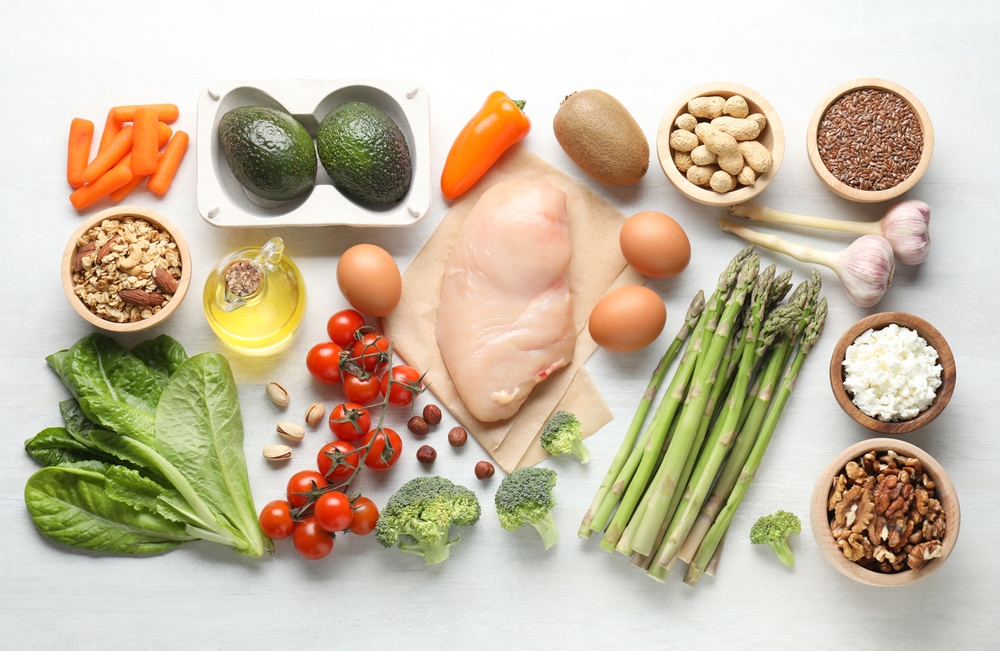
Focusing on protein, vegetables and nutrients (Shutterstock image)
Williams referred Marie to her GP to discuss body identical HRT, a form of hormone replacement therapy that mirrors the body’s natural hormones, which she was keen to explore, alongside further thyroid testing, which later returned normal.
At the same time, Williams made adjustments to Marie’s diet and lifestyle, including:
Increasing protein intake to help stabilise blood sugar, support neurotransmitter production for mood and cognition, and preserve lean muscle mass during hormonal fluctuations, all of which may ease brain fog, mood swings and disrupted sleep in perimenopause.
Adding targeted nutrients (vitamins, minerals, polyphenols, antioxidants) via smoothies, with focus on berries, leafy greens, nuts and seeds, as well as a good quality protein powder.
Encouraging greater vegetable variety, with an emphasis on leafy greens, cruciferous vegetables and colourful produce, to support the microbiome and overall nutritional status.
Introducing stress management techniques, including 10-minute mindfulness practices and some deep breathing techniques (e.g. box breath).
Recommendinga multivitamin, along with iron, omega-3 and magnesium supplements. Fish oil was included because Marie didn’t like fish, while magnesium was added to support relaxation and sleep – and to help replenish levels that can be depleted by stress.
The impact on symptoms
Within two months of following the plan and starting HRT, Marie reported noticeable improvements across all areas of her health. She rated her mood swings as improving from 2/10 to 9/10, brain fog from 5/10 to 9/10, and night sweats from 2/10 to 10/10 (with 1 being very poor and 10 being excellent).
I feel like I have got my life back – I can be who I want to be.
Williams notes that targeted nutrition and HRT all played an important role in supporting Marie’s symptoms – but managing stress was also crucial.
“The biggest challenge for Marie was managing her stress, which didn’t disappear completely, but she became much more able to deal with it in a calm and measured way,” says Williams. “In my experience, clients with higher stress levels tend to experience more intense symptoms, so addressing stress is just as important as dietary changes. Prioritising self-care is the very first step.”
Now, Marie says she feels like a different person and has the tools she needs to manage her symptoms going forward. “I feel like I have got my life back, I can be who I want to be,” she says.
A moment of reflection
Williams reflects that while Marie was highly motivated, despite already feeling overwhelmed, helping her to relax was the biggest challenge. Once she felt calmer, the programme became much easier to follow – and far more sustainable.
Williams also emphasises that a combined approach can be highly effective. “In my experience, it’s rarely just one or two things that make the difference – it’s the coming together of several factors that can really hit the sweet spot,” she says.
“For Marie, HRT combined with focused dietary and lifestyle changes created that balance. Either approach on its own might have helped, but together they delivered the most meaningful results.”
Disclaimer:
This article is for informational purposes only and is not intended to replace medical advice, diagnosis, or treatment. The story shared is based on one individual’s experience and outcomes may vary. Always consult with a qualified healthcare professional before making changes to your diet, supplements or treatment plan.
*The client’s name has been changed to protect her privacy.
Good to know
Good to know
About Nicki Williams
Nicki Williams, mBANT, CNHC, is a registered nutritional therapist with over 12 years of experience. She is the founder of Happy Hormones for Life, leading a team of practitioners supporting women (and some men) since 2014. She specialises in hormone health and menopause, providing functional testing and 1-1 support as needed. Nicki has published two books, It’s Not You, It’s Your Hormones and Life After Menopause, and speaks regularly on women’s health issues.