OUR FINAL IN-PERSON OPEN DAY OF THE YEAR IS HAPPENING 3 OCTOBER. DON’T MISS YOUR CHANCE TO LEARN ABOUT YOUR NEW CAREER! • THE ‘BSC (HONS) NUTRITIONAL THERAPY’ AND ‘CERT HE PERSONALISED DIET AND HEALTH’ APPLICATION DEADLINE IS CLOSING SOON – APPLY TODAY! • WE HAVE A NEW, LEVEL 7, POSTGRADUATE COURSE LAUNCHING FEB 2027 FOR MEDICAL PROFESSIONALS, ALLIED HEALTHCARE PRACTITIONERS AND CAM PRACTITIONERS • FROM THE VAULT: EXPLORE COMPLETE BACK ISSUES OF OPTIMUM NUTRITION MAGAZINE FOR FREE • BOOK YOUR TICKET FOR THE HEATHER ROSA TRIBUTE AND MITOCHONDRIA EVENT ON 30 OCTOBER •
OUR FINAL IN-PERSON OPEN DAY OF THE YEAR IS HAPPENING 3 OCTOBER. DON’T MISS YOUR CHANCE TO LEARN ABOUT YOUR NEW CAREER! • THE ‘BSC (HONS) NUTRITIONAL THERAPY’ AND ‘CERT HE PERSONALISED DIET AND HEALTH’ APPLICATION DEADLINE IS CLOSING SOON – APPLY TODAY! • WE HAVE A NEW, LEVEL 7, POSTGRADUATE COURSE LAUNCHING FEB 2027 FOR MEDICAL PROFESSIONALS, ALLIED HEALTHCARE PRACTITIONERS AND CAM PRACTITIONERS • FROM THE VAULT: EXPLORE COMPLETE BACK ISSUES OF OPTIMUM NUTRITION MAGAZINE FOR FREE • BOOK YOUR TICKET FOR THE HEATHER ROSA TRIBUTE AND MITOCHONDRIA EVENT ON 30 OCTOBER •
Increasing fibre intake is beneficial, but only when done gradually and tailored to your gut health status.
One side says pile on the fibre. The other says it’s not even essential. We asked two ION-trained nutritional therapists, a gastroenterologist, plus a US family physician who tried fibre supplements on himself, where the truth lies.
Scroll your feed for five minutes, and you’ll probably encounter it: fibremaxxing. The trend that says that you need to cram in as much fibre as possible.
Meanwhile, the keto and carnivore communities argue that fibre isn’t essential.
So what’s the reality behind the headlines? If you’re wondering how much fibre you actually need – and how that fits alongside today’s focus on protein – this might help you cut through the confusion.
What is fibremaxxing?
The average UK adult consumes around 18 grams of fibre a day, well below the recommended 30g, with just 4% of adults hitting that target. In a way, it’s understandable that people are drawn to a diet that promises to close this gap.
Fibremaxxing is, simply put, consuming a much higher fibre intake than recommended, sometimes up to 80g daily.
The trend has gained popularity on social media, with people worldwide embracing it. Many are turning to fibre supplements to hit these higher targets, often without consulting a professional first.
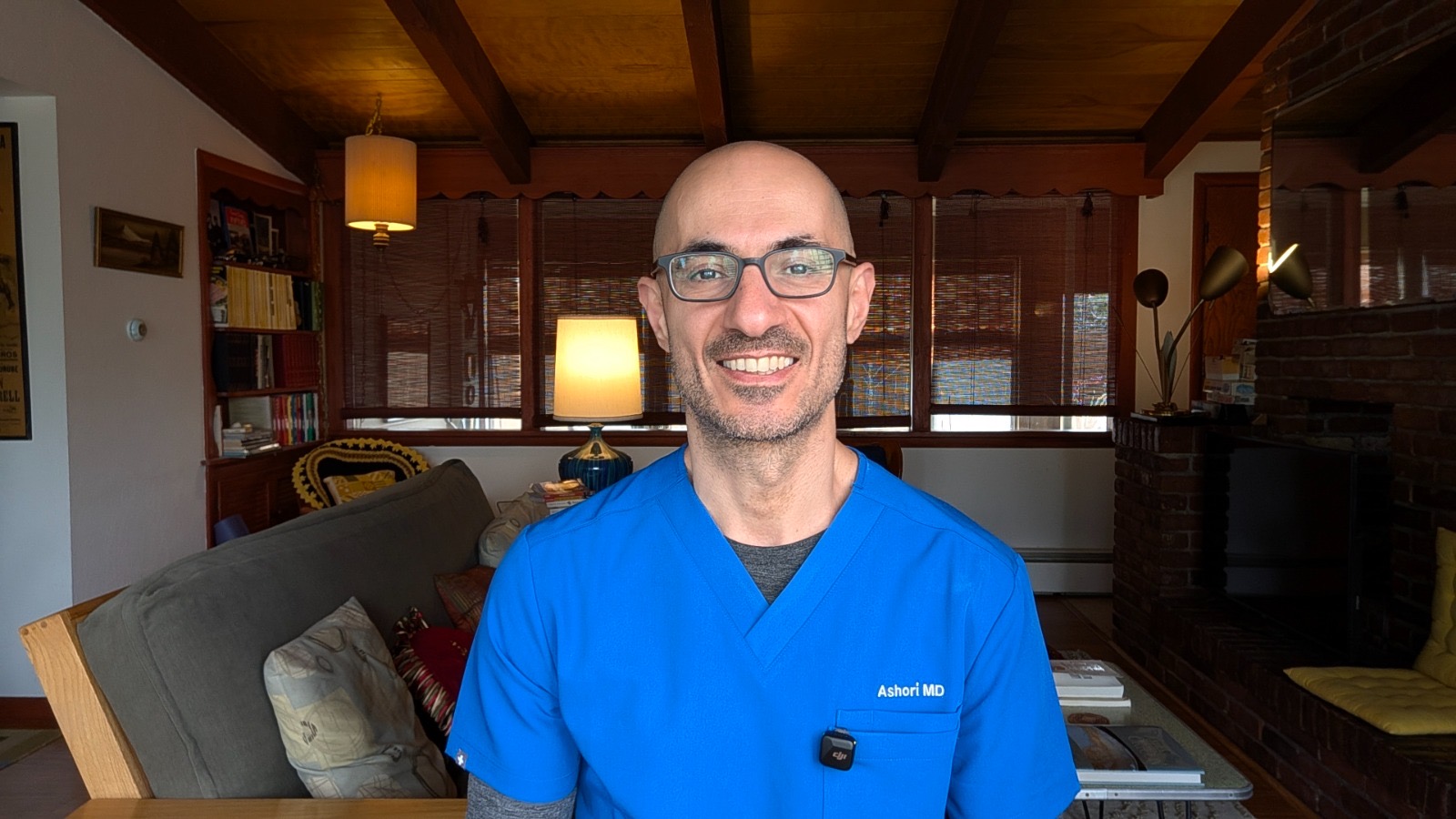
Dr Mohammad Ashori, a physician-led health coach based between LA and Miami with over 20 years in practice, has seen the trend growing in the US, often among people turning to it out of desperation.
Dr Ashori is a a board-certified family medicine physician and health coach who graduated from UCLA
What I see a lot in my patients, they become a little desperate, because their cholesterol is high, or they have constipation. They take fibre supplements, but they don’t actually increase fibre-rich foods. They hear something on social media and think it sounds healthy.
He also links it to the protein boom. “People want more protein, so they’re eating more meat, eggs, fish, and there’s no room left for fruit and veg. So they reach for a supplement instead of the actual food.”
When more fibre can backfire
Dr Ashori tested a psyllium husk fibre supplement on himself for a few days to make sure that he could recommend it to his patients. The results? “It was pretty bad. A lot of cramping, diarrhoea, nausea. I didn’t even take that much, and it was a disaster, for my poor wife and me.”
This is why he is also sceptical about doubling the recommended intake from 30 to 60 grams overnight:
Sometimes it makes constipation worse, not better. When diarrhoea gets bad you can also get bleeding. I’ve had patients who, from too much fibre, noticed blood in their stool. People with haemorrhoids take more fibre thinking it’ll help, but it can flare things up and cause bleeding and discomfort.
When patients arrive at his clinic in the middle of a digestive flare, Dr Ashori’s first priority is to get symptoms like diarrhoea under control and stop all the fibre. “In some cases, if there’s bleeding, I send them for a colonoscopy, though that’s not common. Then we discuss why they wanted more fibre in the first place and come up with a plan to introduce it slowly.”
Very high fibre diets, he says, may also contain large amounts of phytates, naturally occurring compounds that can reduce the absorption of minerals such as iron and zinc.
Dr Ashori says fibre earns its reputation, provided people get there through food rather than a tub of powder. For him, the issue is how people go about increasing their intake.
Any supplement you take, usually you only do it for a few months, then you lose the habit. It’s easier to help patients add fibre to their diet instead. Berries in the morning, a smoothie for breakfast. When they’re cooking meat, add lettuce, tomato, cucumber, onion. Right there they’re getting fibre naturally.
A nutritional therapist’s practical advice to add more fibre
Fibre is the part of plant foods, such as fruit, vegetables, whole grains, legumes and nuts, that the body can’t fully digest. It passes into the large intestine largely intact, where it either adds bulk to stool (insoluble fibre) or feeds beneficial gut bacteria (soluble fibre). It helps with digestion, blood sugar regulation and gut health.
A recent randomized cross-over trial found that initiating early high-fibre nutrition therapy – consisting of a 7-day very-low-calorie, high-fibre meal-replacement phase followed by a 23-day conventional diabetes diet – can improve glycaemic control and reduce adiposity in newly diagnosed overweight or obese patients with type 2 diabetes, accompanied by rapid remodelling of the gut microbiota.
A 2022 BMC Medicine review also found that fibre can help improve blood pressure and cardiovascular risk.
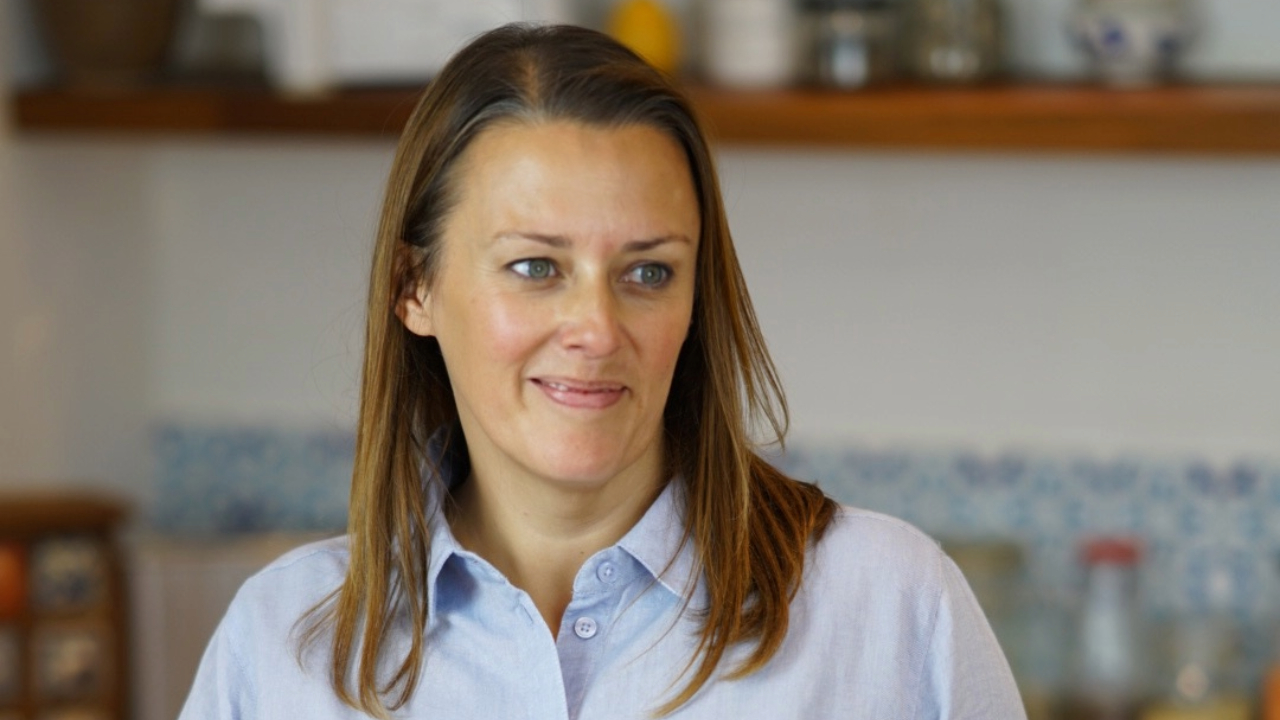
Catherine Jeans graduated from the Institute for Optimum Nutrition 15 years ago
Catherine Jeans, a nutritional therapist supporting people with digestive problems, advocates for a fibre-rich diet. However, she agrees that ‘more fibre’ can backfire. Piling fibre on too fast can make you feel worse, not better.
I have quite a lot of clients with a history of IBS who suddenly increase their fibre intake. They go on a health kick and just feel awful. Their gut isn’t used to it, you get excess fermentation, wind and bloating.
She is also cautious about the extreme targets promoted by some influencers. She says: “It’s such an aggressive word – maxxing”. Instead, she emphasises the importance of personalised nutrition rather than following generic advice. “I’ve heard influencers recommending 70 to 80 grams a day; that’s crazy. The sweet spot might be 25 to 30, maybe up to 50.
For a six-foot bodybuilder influencer, his needs are so different to a five-foot-two perimenopausal woman like me. Everybody is unique.
She explains the three main types of fibre:
Soluble fibre dissolves into a gel-like substance, similar to soaked chia seeds. “It regulates blood sugar, helps balance cholesterol, and feeds your beneficial bacteria.” Find it in oats, chia, apples and pulses.
Insoluble fibre does not dissolve. Instead, it adds bulk to the stool and supports regular bowel movements. Find it in whole grains, skins, nuts and seeds.
Resistant starch “resists digestion and is particularly great for feeding the gut microbiome.” Find it in green bananas and cooked-then-cooled potatoes and rice.
Jeans’ practical advice for increasing fibre without taking it to the extreme is to make one fibre-rich addition to each meal. Add seeds to your breakfast cereal, include an extra portion of vegetables at lunch, swap white rice for brown or choose sourdough bread, leave the skins on potatoes, and try lentil- or chickpea- based pasta. She also recommends being mindful of portion sizes for nuts (4-6 walnuts is a serving) and chewing your food thoroughly while slowing down at mealtimes, as stress diverts blood away from digestion.
The keto counterpoint
Not everyone is convinced fibre deserves the spotlight though.
ION-trained nutritional therapist Moira Newiss, who specialises in metabolic mental health, argues that fibre is not an essential nutrient, “not in the same way protein, essential fats and vitamins are”. Her reasoning is that people with digestive problems and autoimmune conditions often do well when fibre is removed. However, she says that if you ask a range of nutritional therapists, you’ll get a “different answer” because it is not “all settled yet”.
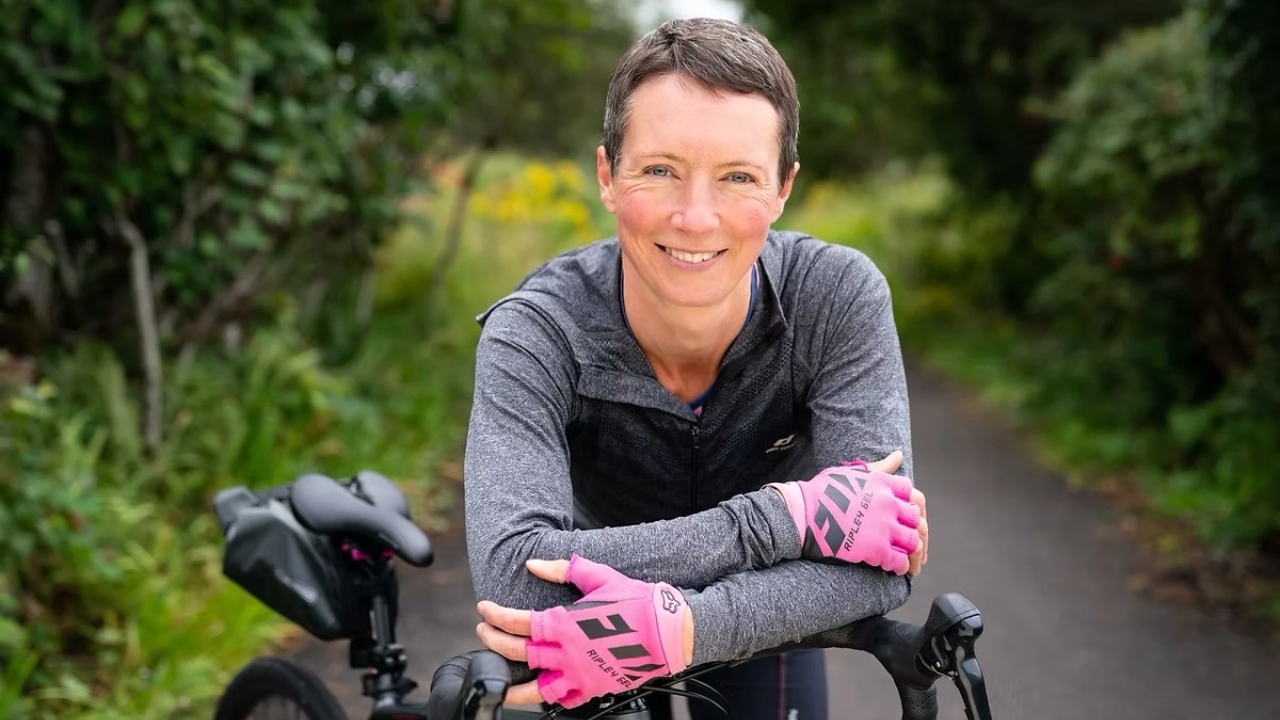
Moira Newisss follows an animal-based, ketogenic diet
Newiss follows an animal-based, ketogenic diet. It started after feeling burnout.
I did it strictly for three months and felt amazing.
A ketogenic diet is high in fat, low enough in carbohydrate that the liver produces ketones as an alternative fuel source; refined carbs and starchy roots are cut back. For Newiss, it is a simple diet. “If you buy a ribeye steak, then add a bit of butter, that might be as complicated as it gets”
She pushes back on the idea that keto and fibre are opposites:
People often think a ketogenic diet is low in fibre. It definitely doesn’t have to be. They can contain plenty, from all the cruciferous vegetables to alliums and salads; it’s only the carnivore end of the spectrum that has none at all.
Most keto trials aren’t designed around fibre. Still, one study on children with autism found a ketogenic diet reduced gut inflammation and dysbiosis and improved microbial composition, with knock-on effects on brain health.
Sometimes, she says, a low-fibre approach can be useful. A case report series found ketogenic and carnivore ketogenic diets brought clinical improvement in ten patients with inflammatory bowel disease, six with ulcerative colitis and four with Crohn’s, with improvement scores ranging from 72 to 165 points on the IBDQ, on diets built mostly around meat, eggs and animal fats.
Another study described a paleolithic ketogenic diet used to treat Crohn’s disease. The consensus, as she reads it, is that a low-fibre approach can help short term, for example during a flare-up of these conditions, but isn’t necessarily the right long-term strategy, and there are no long-term studies to draw on either way. Her own view: a low-fibre ketogenic diet can help the gut recover, but reintroducing plant foods carefully afterwards is likely to be beneficial.
Some influencers go as far as to say that fibre is the new protein. Newiss disagrees. “It’s definitely not, because it can’t replace protein.”
However, Dr Ashori argues that most of his patients who describe themselves as keto are not actually in nutritional ketosis, even when they think they are. “Most people who say they eat keto, if we check their ketones, they’re not in actual ketosis. They’re just eating fewer refined carbs, bread, rice, pasta, and more protein.”
He believes ketogenic diets can be a powerful tool in certain circumstances – for example when there’s a lot of inflammation, or there’s a specific mental health condition – but is less convinced they are appropriate for everyone.
For most people it doesn’t work very well long term. They have a hard time sticking to it, and it can create other problems. There are people who’ve been keto for 20 years, and we don’t really know what their future looks like with colon cancer, with long-term mental health. Some of that data is missing.
A gastroenterologist’s perspective
Dr Sami works as a Consultant Gastroenterologist and Associate Professor
In terms of what happens in our intestines when following these diets, Dr Sarmed S. Sami, consultant gastroenterologist and director of Digestive Health UK, says:
There is a general misconception that everyone goes to the toilet once a day with perfect poo.
He mentions that healthy volunteer studies show normal frequency can range from once every three days to three times daily, depending on baseline habits.
Cutting fibre drastically, as happens on many ketogenic diets, often leads to less frequent, firmer stools, and sometimes constipation without good hydration, though some people find bloating and gas improve. Over time, bowel habits often settle into a pattern of one movement every one to three days, which may still be normal. The gut microbiome shifts too, with reduced production of beneficial short-chain fatty acids like butyrate.
Fibre-maxxing tends to produce the opposite effect initially. Rapid increases in fibre commonly cause bloating and cramping before the microbiome gradually adapts.
More fibre isn’t always better, and less fibre isn’t always harmful.
IBS adds a further layer of unpredictability; some patients suffering from it feel better on a lower-fibre approach because there’s less fermentation and gas; rapidly increasing fibre, particularly wheat bran or fermentable fibres, can worsen bloating and pain. Not all fibres behave the same, he notes: psyllium has the best evidence for improving IBS symptoms overall, wheat bran often worsens them, and highly fermentable fibres such as inulin and chicory root commonly increase gas and bloating.
While these diets generally don’t cause major harm, Dr Sami says any new symptoms that develop after changing your diet deserve attention. Abdominal pain, a change in bowel habits, blood in the stool, unexplained weight loss, swallowing problems or vomiting are all red flags that warrant a referral to a gastroenterologist rather than being ignored or managed with restrictive diets that can worsen symptoms.
He also notes that some serious conditions, in rare cases including bowel cancer, can produce few or no symptoms, which is why national screening programmes remain so important.
Why influencers are winning this argument
All of the experts point to a similar reason why extreme diet trends spread so fast: trust in traditional medicine has taken a knock, and influencers are filling the gap.
“Especially after the pandemic, a lot of people lost trust in institutions like the WHO, CDC and FDA (agencies that are part of the U.S. Department of Health),” Dr Ashori says. “People believe mainstream medicine might be hiding something, so they explore on their own.” He also acknowledges the practical barriers: it might be complicated to get a referral to a great nutritionist, and if you don’t like them and want to go to another one, the cost of it adds up. “Sometimes following a convincing influencer is just easier”.
Where they all agree
“I wouldn’t want to say anything negative against the ketogenic diet, for some people it can be incredibly beneficial,” Jeans says. Newiss accepts some people simply do better with fibre in the mix. Dr Ashori thinks that a variety of different foods, and balance, while avoiding a lot of refined foods, is the way to go. “Keto and fibremaxxing would both agree on that much”.
All of them are wary of turning this into a rigid rulebook. “We have to be careful about the rules we create around food,” Jeans says. “Being too rigid might lead to disordered eating.” Dr Ashori makes a similar point about fixed targets: “Following guidelines and grams doesn’t work. It’s more useful to pay attention to your own body, and ask yourself: Is my bowel habit better? Do I feel lighter? Then adjust from there.”
Stress matters, too. “Stress has a massive impact on your digestive system,” Jeans says. In fight-or-flight mode, blood is diverted away from digestion, which is partly why some people tolerate fibre on calm days and not on busy ones.
The takeaway
Fibre is genuinely good for most of us, and many of us could do with more. But maxxing anything to the extreme is rarely the answer. The honest version is less catchy than the trend: variety over volume, build up slowly, keep food whole where you can, and pay attention to what actually suits your body. As Jeans puts it: “Adding more fibre is sensible and healthy, but people are taking it too far. It’s just balance.” Dr Ashori’s version lands in much the same place: “Start slow, start with real, unprocessed food, and pay attention to your body as you go.”
If you’re not sure where to start, or you have a gut condition that makes this trickier, a qualified nutritional therapist can help you cut through the noise with advice built around you.