OUR FINAL IN-PERSON OPEN DAY OF THE YEAR IS HAPPENING 3 OCTOBER. DON’T MISS YOUR CHANCE TO LEARN ABOUT YOUR NEW CAREER! • THE ‘BSC (HONS) NUTRITIONAL THERAPY’ AND ‘CERT HE PERSONALISED DIET AND HEALTH’ APPLICATION DEADLINE IS CLOSING SOON – APPLY TODAY! • WE HAVE A NEW, LEVEL 7, POSTGRADUATE COURSE LAUNCHING FEB 2027 FOR MEDICAL PROFESSIONALS, ALLIED HEALTHCARE PRACTITIONERS AND CAM PRACTITIONERS • FROM THE VAULT: EXPLORE COMPLETE BACK ISSUES OF OPTIMUM NUTRITION MAGAZINE FOR FREE • BOOK YOUR TICKET FOR THE HEATHER ROSA TRIBUTE AND MITOCHONDRIA EVENT ON 30 OCTOBER •
OUR FINAL IN-PERSON OPEN DAY OF THE YEAR IS HAPPENING 3 OCTOBER. DON’T MISS YOUR CHANCE TO LEARN ABOUT YOUR NEW CAREER! • THE ‘BSC (HONS) NUTRITIONAL THERAPY’ AND ‘CERT HE PERSONALISED DIET AND HEALTH’ APPLICATION DEADLINE IS CLOSING SOON – APPLY TODAY! • WE HAVE A NEW, LEVEL 7, POSTGRADUATE COURSE LAUNCHING FEB 2027 FOR MEDICAL PROFESSIONALS, ALLIED HEALTHCARE PRACTITIONERS AND CAM PRACTITIONERS • FROM THE VAULT: EXPLORE COMPLETE BACK ISSUES OF OPTIMUM NUTRITION MAGAZINE FOR FREE • BOOK YOUR TICKET FOR THE HEATHER ROSA TRIBUTE AND MITOCHONDRIA EVENT ON 30 OCTOBER •
Opinion: Experts share the nutrition and health beliefs they’d like to challenge
caption
Rethinking common assumptions about nutrition and health
image credits
Shutterstock
CATEGORY
Health and wellbeing
TAGS
blood sugarcholesterolfatfitnesshair lossoral healthsaturated fatvitaminsweight loss
AUTHOR
Catherine Morgan
READ TIME
19 Minutes
PUBLISHED
4 August 2026
SHARE
Key takeaways
Hair loss and blood sugar changes may sometimes reflect wider health issues rather than isolated symptoms.
Weight management involves more than calories and willpower.
Dietary fat and vitamin recommendations remain areas of debate.
Exercise and healthy lifestyle changes can be beneficial at any age, and small steps can add up over time.
Nutrition and lifestyle medicine continue to evolve, making it important to consider the quality of evidence and seek personalised professional advice.
Nutrition advice has never been more accessible – or more confusing. From social media trends and wellness influencers, to conflicting headlines and an ever-evolving scientific evidence base, distinguishing well-supported guidance from popular misconceptions or outdated ‘facts’ can be challenging.
Catherine Morgan invited 10 contributors from across the nutrition and lifestyle medicine community to share the beliefs they most frequently challenge.
Their responses reflect a broad range of professional experience, clinical practice and interpretation of the available evidence. Some viewpoints align closely with current scientific consensus, while others reflect areas of ongoing research and debate. Together, they offer insight into the questions, assumptions and conversations shaping nutrition and lifestyle medicine today.
As they illustrate, nutritional guidance is rarely straightforward, despite what headlines suggest. Individual needs, health status, and the evolving science all influence which approaches may be appropriate for different people – a principle that underpins personalised nutrition and lifestyle medicine.
“Hair loss is just a cosmetic issue“
Hair loss can be linked to nutrient deficiencies, autoimmune disease, etc. (Shutterstock image)
“One of the biggest misconceptions I come across is that hair loss is ‘just a cosmetic issue’,” says ION-trained registered nutritionist and certified functional medicine practitioner Victoria (VJ) Hamilton. As someone who specialises in autoimmune hair loss, it’s probably the misconception she hears most often, and one that can “unfortunately delay people from seeking the right support”.
Hair is one of the body’s most metabolically active tissues, requiring a constant supply of nutrients, energy and finely balanced hormonal and immune signals to support normal growth, she explains. Because of this, changes in hair growth can sometimes be an early indicator that something else is affecting the body.
“Hair loss may be linked to nutrient deficiencies, thyroid dysfunction, autoimmune disease, gut dysfunction, chronic inflammation, significant stress, certain medications, or even a recent infection,” she says, while noting that not every case has an underlying medical cause. “But it’s important not to dismiss it as simply a cosmetic concern or an inevitable part of ageing.”
Hamilton – who is also known as The Autoimmunity Nutritionist – believes the misconception persists because hair is often seen as separate from overall health rather than a reflection of it. Social media, she adds, hasn’t helped either, with the endless promotion of shampoos, oils and supplements that promise to regrow hair without addressing why the hair loss occurred in the first place.
Drawing on both her clinical experience and published research, she believes that the best outcomes are achieved by treating hair loss as a symptom rather than a diagnosis. While topical treatments have their place, she believes they are only one piece of the puzzle.
“Understanding what has disrupted the normal hair growth cycle is often far more important than searching for the latest product,” she says. “When we identify and address the underlying drivers – whether that’s improving nutrient status, supporting thyroid function, reducing inflammation, restoring gut health or helping someone recover from chronic stress – we’re supporting better health overall.”
“Successful weight loss is about eating less and willpower“
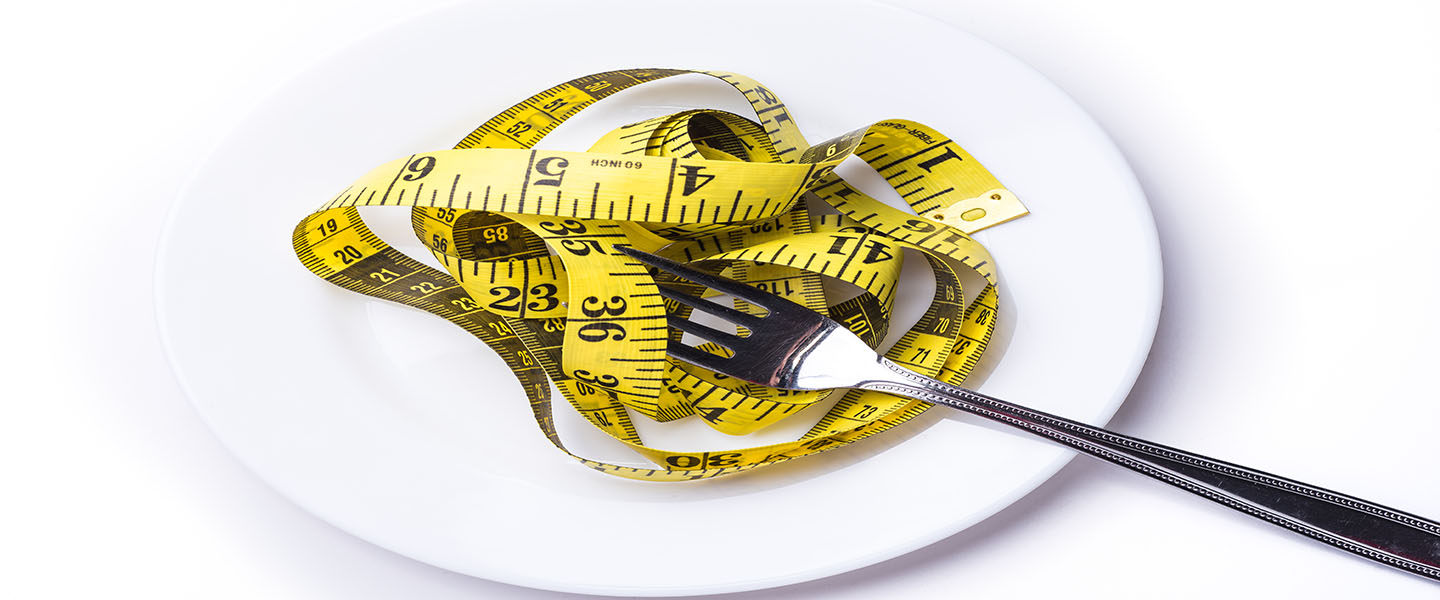
Weight loss is more complex than calories in, calories out (Shutterstock image)
The idea that weight loss is primarily a matter of eating less and resisting temptations has been one of the most persistent beliefs in the world of dieting.
ION-trained nutritionist Kim Pearson says it’s one of the biggest misconceptions she still comes across in practice – and believes the popularity of GLP-1 medications has led some to think that medication is the only way to lose weight.
She argues that “appetite, cravings and satiety are regulated by a complex network of hormones, the brain and the gut that are influenced by what and when we eat, how well we sleep, our stress levels and our broader health.”
Pearson, who specialises in weight loss, metabolic health and longevity, believes the misconception persists because weight management has long been framed through the lens of ‘calories in, calories out’. While energy balance remains relevant, she argues that this model does not account for the different physiological effects of foods.
Consuming five hundred calories of doughnuts has a very different effect on appetite, blood sugar and subsequent food intake than 500 calories of salmon and vegetables.
In her view, attention to food quality can significantly influence satiety and eating behaviour. Research and clinical experience, she adds, suggest that structuring meals around protein, fibre and healthy fats, alongside consistent mealtimes, adequate sleep and stress management, can help people feel fuller, reduce cravings, and encourage them to eat an optimal amount without constant reliance on willpower.
“Rather than fighting against biology with artificial appetite suppression, my goal is always to work with the body,” she says. “I believe this approach is far more sustainable in the long term.”
“Blood sugar regulation is only a concern for diabetics“
Blood sugar balance is another popular health topic, but not everyone understands why it matters.
“A common misconception I encounter is that blood sugar regulation is only a concern for people with diabetes,” says Nicole Taylor, certified nutritional practitioner and Assistant Head of Undergraduate Courses at the Institute for Optimum Nutrition. “In reality, insulin resistance is highly prevalent and often develops years before diagnosis, underpinning everyday symptoms such as fatigue, weight gain, brain fog, cravings, anxiety and increased hunger.”
In her view, this reflects underlying metabolic changes in which the body’s cells become less responsive to insulin, prompting compensatory increases in insulin production (hyperinsulinaemia) alongside gradual shifts in liver and muscle metabolism. These processes, she says, are often driven by chronic stress, poor sleep, and a diet high in refined grains and ultra-processed foods.
Taylor further highlights that individual blood sugar responses to carbohydrate-containing foods vary considerably, with emerging research suggesting the gut microbiome plays a key role in determining how foods affect blood glucose. As a result, identical meals may produce different metabolic responses in different individuals.
As to why the misconception persists, Taylor says routine screening relies on HbA1c, a marker of average blood sugar over the previous two to three months. Because HbA1c is relatively insensitive to early dysregulation, people can become metabolically compromised long before abnormalities appear on standard blood tests.
Taylor says markers such as fasting insulin and liver enzymes, alongside the short-term use of continuous glucose monitors in non-diabetics, may help identify early metabolic changes before HbA1c rises.
“Fat is bad“
Rethinking fat: some experts challenge long-held assumptions about dietary fat (Shutterstock image)
Dietary fat remains one of the most hotly debated topics in nutrition, with some experts challenging conventional guidance on saturated fat and cholesterol. While there is broad agreement that unsaturated fats can support cardiovascular health, questions remain about the role of saturated fat. The following contributors reflect one perspective within this continuing scientific discussion.
“The ‘fat is bad for us’ myth is so bad that I did a PhD on the topic to get to the bottom of it,” says researcher and author Zoë Harcombe, who has spent much of her career examining the evidence behind dietary fat recommendations.
There are three macronutrients: fat, protein and carbohydrate. Protein tends to be a fairly constant 15-20% of any natural diet. So, if we cut fat we inevitably eat more carbohydrate.
In 1977 in the US and 1983 in the UK, new dietary guidelines recommended that we eat no more than 30% of our calories in the form of fat, she explains. “That inevitably meant we would eat around 55% of our calories in the form of carbohydrate. And we did. And obesity and type 2 diabetes took off like an airplane.”
Harcombe argues that early dietary guidance was based on limited evidence at the time. “My PhD examined all randomised controlled trials and epidemiological evidence for those guidelines and found that there was none.”
Asked why she believes the message still prevails today, Harcombe says public health bodies are too invested. “They won’t admit they have been wrong for 50 years.” She also argues that the food industry benefits from producing cheap, low-fat, high-carbohydrate products.
Harcombe believes we should be focusing on whole foods like meat, fish, eggs and dairy that provide the essential nutrients we need: fats, proteins, vitamins and minerals.
Registered nutritional therapist, health coach and ketogenic metabolic expert Moira Newiss also challenges conventional thinking on saturated fat and heart disease, arguing that dietary fat deserves a more nuanced discussion.
She points to research exploring this relationship and argues that findings are not always consistent with traditional assumptions.
Several systematic reviews and meta-analyses have found the opposite – that despite cholesterol levels being higher in individuals consuming a diet higher in saturated fat, there was no significant difference in coronary heart disease or all-cause mortality.
Newiss highlights the earlier work of Zoë Harcombe,1, 2, 3 above, as well as a more recent 2025 systematic review and meta-analysis by Satoru Yamada and colleagues. Reviewing randomised controlled trials published up to 2023, the researchers concluded that the available evidence did not support recommending saturated fat restriction for preventing cardiovascular disease.
She explores the origins of the belief that saturated fat is harmful in more detail on her blog.
Newiss says that “as early humans we evolved on a diet of fatty meat, which aided the development of our large brains and complex cognition.” Fat provides a number of benefits, from insulation and energy to the delivery of fat-soluble vitamins A, D, E and K. “We need it not only to survive but to thrive.”
She also highlights growing interest in ketogenic diets and other lower-carbohydrate approaches.
“There is evidence to suggest that when we run our metabolism on fat instead of sugar, metabolic health markers can improve. This suggests that fat is not the villain it has been made out to be.”4,5
Newiss adds that ketogenic diets are being studied in relation to a range of conditions, including serious mental illness.
She says those at risk of serious mental illness also have higher rates of metabolic disease, including cardiovascular disease and type 2 diabetes, and points out that these conditions share several features, including a key one: insulin resistance – which Newiss describes as occurring “when an individual has lost metabolic flexibility and can no longer use glucose effectively as a fuel.”
An emerging area of research is the therapeutic potential of ketogenic diets,6,7 especially for supporting metabolic health, tackling insulin resistance, and in some cases contributing to the remission of type 2 diabetes. Research is also ongoing into their potential role in certain neurological and psychiatric conditions such as schizophrenia, depression and bipolar disorder.
“Perhaps fat is not the enemy we once thought it was,” says Newiss.
While many long-held assumptions about dietary fat are being re-examined, there is still no universal agreement on the optimal balance of fats for long-term health. What is clear though is that the conversation has become far more nuanced than simply “fat is bad”.
“A multivitamin covers all nutritional needs“
Many people see a daily multivitamin as a nutritional safety net, but clinical lead of NatureDoc and bestselling author Lucinda Miller believes this view can be over-simplistic.
“Most people have been led to believe that a multivitamin is going to fix all their health problems,” she says. “But the reality is that a multivitamin is not going to be the panacea they are looking for.”
Yes – they can help cover the basics you would normally get from the diet, such as vitamins A, C and E if your diet is restricted, she explains, or vitamin D when sun exposure is limited. But in her clinical experience, the most common nutritional shortfalls aren’t vitamins, but minerals.
When we run our lab tests at NatureDoc, it is usually not vitamins that are missing, but minerals. The key shortfalls that blood work and other functional tests show over and over again are low iron, zinc, magnesium and selenium, which are just as important for human health as vitamins.
Miller says that addressing these deficiencies can shift the needle in terms of how a person feels much more than focusing on the basic vitamins.
“Unfortunately, we usually need relatively high doses of these minerals to correct a deficiency and rarely does a multinutrient contain enough to make a measurable difference. This is why it is important to dose separately with specific minerals until levels are optimised.”
“Small changes won’t make a difference“
Even small changes can lead to positive outcomes (Shutterstock image)
Some people feel that unless they can make major lifestyle changes, there is little point starting at all. Sam Feltham, Director of the Public Health Collaboration (PHC), believes this mindset can be one of the biggest barriers to better health.
“There are a lot of misconceptions in nutrition and lifestyle medicine, but the one that gets to me the most is when people think they shouldn’t make a change because they believe it won’t make a difference,” he says. “Any positive change, no matter how small, can lead to positive outcomes.”
Feltham suggests that this resistance to change may be partly biological because the human body wants to “conserve energy, so the brain tells you not to try”. However, he thinks that sometimes we need to feel the ‘fear’ of making a change and “do it anyway”.
In his experience, small, consistent changes are often what lead to longer-term transformations.
“Over the years, I’ve seen hundreds, probably thousands, of transformations where people started with small changes,” he says. “These might include short daily exercise – such as a 10-minute walk or 10 squats whilst you wait for the kettle to boil – or simple food swaps, such as replacing sugary cereal with yoghurt and nuts. Step by step these changes can lead to incredible transformations like the ones we share on our YouTube channel.”
“It’s too late to start exercising or pursuing fitness goals“
It’s never too late to become fitter (Shutterstock image)
The idea that fitness has an age limit has discouraged countless people from lacing up their trainers and getting started. But ION-trained registered nutritional therapy practitioner and certified sports nutrition coach Janie Perry believes this misconception is fuelled by how ageing is portrayed.
One of the biggest misconceptions I come across is that there is an age at which it’s ‘too late’ to start exercising, running or pursuing ambitious fitness goals.
In clinic, she regularly works with people in their 40s, 50s, 60s and beyond who are “achieving things they never thought possible, whether that’s losing weight, completing their first 5K, running a marathon or simply feeling stronger and more energetic”.
Perry believes this misconception persists because “we’re often exposed to stories and images that celebrate youth in sport, and many people assume that getting older automatically means becoming less capable”. If someone has also had a period of inactivity, an injury or a health setback, it’s easy for them to feel that they’ve missed their chance, she says.
Perry adds that while ageing brings new considerations such as nutrition, sleep and recovery, the body remains highly adaptable. This comes from personal experience: despite undergoing a total hip replacement in her 50s, she ran her fastest marathon at this year’s London Marathon, finishing in 3:29:42.
“It’s almost never too late to become fitter, stronger and healthier than you are today”.
“Bleeding gums are normal when you brush your teeth“
/ “You don’t need vitamin D in summer“
Dr James Goolnik, holistic dentist and founder of Optimal Dental Health, highlights two common misconceptions that he comes across in his practice, where oral health, nutrition and lifestyle overlap.
He says bleeding gums may be common, but they are not normal. “This myth often persists because people assume they have brushed too hard, or that bleeding is just part of flossing or interdental cleaning,” he explains.
He says that in reality, bleeding is a sign of inflammation in the gums, often linked to plaque, but it can also reflect wider issues such as blood sugar dysregulation, low vitamin D, stress, smoking, or poor sleep.
Clinically, I see bleeding gums as an early warning sign from the body, not something to ignore.
Associations have also been reported between oral health status and nutritional factors, including vitamin D, highlighting growing interest in the relationship between nutrition and oral health.
Goolnik also challenges the idea that vitamin D is only a winter issue, noting that he often sees low levels in patients during the summer months.
“Sun exposure is only one part of the picture,” he explains. “Vitamin D status can also be influenced by time spent indoors, sunscreen use, skin tone, absorption and genetic SNPs [single nucleotide polymorphisms, or single changes in DNA] affecting vitamin D-binding protein, activation enzymes, or vitamin D receptor function.”
This is why he prefers a ‘test, don’t guess’ approach, particularly in patients with gum disease, tooth decay, or those preparing for dental surgery or implant treatment.
“Vitamin recommended daily allowances and ‘normal ranges’ are always enough“
Are recommended vitamin intakes enough for optimal health? (Shutterstock image)
Many people assume that if they meet the recommended daily allowance (RDA) for a nutrient and their blood test results fall within the normal range, there is little reason to think further about their nutritional status. But Dr Jenny Goodman, a qualified medical doctor, lecturer and practitioner of ecological medicine with more than 20 years’ experience, believes the picture is more complex.
“Our current government recommendations are based on science that is about a hundred years out of date,” she says. “In the first half of the twentieth century, as vitamins were discovered, they were thought to be substances needed in miniscule amounts to prevent specific deficiency diseases. For example, vitamin D prevents rickets, vitamin C prevents scurvy, vitamin B1 prevents beriberi, vitamin B3 prevents pellagra and vitamin B12 prevents pernicious anaemia and subacute degeneration of the spinal cord.”
She explains that historically, recommended intakes were developed primarily to prevent deficiency diseases rather than to define optimal health.
“True, tiny amounts will prevent those diseases; but they won’t keep you healthy,” she says.
What these guidelines ignore is that there is a spectrum of health – between vibrant wellness and energy at one end and severe sickness and death at the other.
Goodman believes that preventing deficiency and achieving optimal health are not the same thing, and that some people may benefit from considerably higher intakes than current recommendations.
Four hundred IU of vitamin D daily will prevent rickets (or osteomalacia in adults), but Goodman believes that higher levels are needed for maximal brain and immune function. She says that with most of the B vitamins, 1-2 mg daily will prevent deficiency disease, but higher doses are sometimes used in practice to support optimal energy, carbohydrate metabolism and brain function. With B12 in particular, she says that some clinicians use doses far above the RDA in certain contexts to support brain and mitochondrial health.
But there’s an important caveat: you should always consult a trained health practitioner when upping your supplement dose, says Goodman, especially when it comes to vitamin D.
“People absorb and process [vitamin D] at very different rates, so the right dose for one person may not be the right dose for another,” she explains. “The best thing is to ask your GP to test your vitamin D blood level, so you know if you are on the right track.”
She also says that people should ask for their actual result, rather than simply being told, ‘It’s OK’ or ‘It’s borderline’, because different laboratories and organisations use different reference ranges.
Goodman argues that this is less of a concern with a B-complex supplement because the B vitamins are water-soluble. However, vitamin D is stored in the body because it’s fat-soluble, so overdose is possible.
She also questions whether population-based reference ranges always reflect optimal health.
“The standard ‘normal ranges’ in blood tests were based on population averages; but ‘average’ is not the same as ‘healthy’,” she says.
She also believes modern lifestyles may have altered both our nutritional demands and nutrient availability.
We are living in a different world from that in which the guidelines were created. Pollution, soil depletion, stress and drugs have vastly increased our requirement for these nutrients, while junk food and intensive farming have reduced the amounts in our food.
Taken together, these perspectives highlight just how complex nutrition and lifestyle medicine can be. While contributors do not always agree with prevailing views, and not every opinion reflects current scientific consensus, each raises questions that encourage us to look beyond simple headlines and one-size-fits-all advice.
As research continues to evolve, so too will our understanding of health and disease. Perhaps the most important takeaway is not to accept or reject any single viewpoint uncritically, but to remain curious, ask questions and be willing to revisit long-held assumptions as the science evolves.
Editor’s note: The views expressed in this article are those of the individual contributors and reflect their professional experience and interpretation of the available evidence. Nutrition and lifestyle science is a rapidly evolving field, and evidence and expert opinion may differ on some of the topics discussed. This feature is intended to encourage informed discussion rather than provide individual medical advice. Readers should consult an appropriately qualified healthcare professional before making significant changes to their diet, supplements or medical treatment.