OUR NEXT IN-PERSON OPEN EVENT IS HAPPENING THIS SATURDAY. DON’T MISS YOUR CHANCE TO LEARN ABOUT YOUR NEW CAREER! • THE BSC (HONS) NUTRITIONAL THERAPY APPLICATION DEADLINE IS APPROACHING FAST – APPLY TODAY! • ION STUDY LIFTS THE LID ON PLANT-BASED ALTERNATIVES •
OUR NEXT IN-PERSON OPEN EVENT IS HAPPENING THIS SATURDAY. DON’T MISS YOUR CHANCE TO LEARN ABOUT YOUR NEW CAREER! • THE BSC (HONS) NUTRITIONAL THERAPY APPLICATION DEADLINE IS APPROACHING FAST – APPLY TODAY! • ION STUDY LIFTS THE LID ON PLANT-BASED ALTERNATIVES •
Diagnosed at 12, dismissed for years: why PCOS becoming PMOS matters
caption
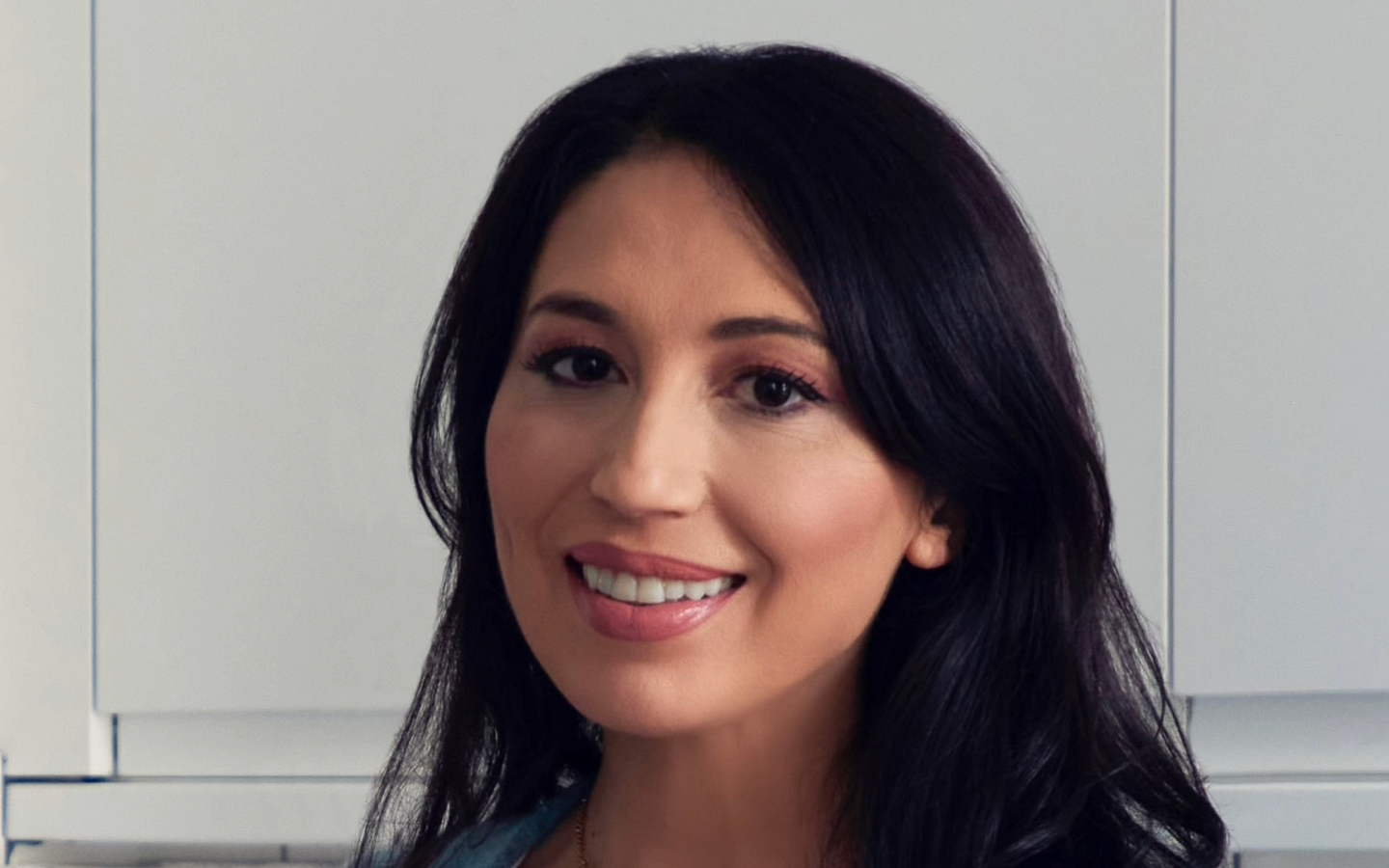
Julia Capitta, a BSc Nutritional Therapy student, was diagnosed with PCOS at just 12 years old
image credits
Julia Capitta
CATEGORY
Health and wellbeingNutrition
TAGS
nutritionnutritional therapistnutritional therapy
AUTHOR
Verónica Muñoz Martínez
READ TIME
9 Minutes
PUBLISHED
17 June 2026
SHARE
Key takeaways
PMOS replaces PCOS to better reflect its hormonal and metabolic impacts.
The old PCOS name contributed to misdiagnosis and delayed treatment.
PMOS is linked to diabetes, heart disease, and mental health issues, not just fertility.
Many women report receiving limited support and lifestyle guidance after diagnosis.
The name change could improve awareness, diagnosis, and long-term care.
Polycystic ovary syndrome (PCOS) has been renamed polyendocrine metabolic ovarian syndrome (PMOS), following 14 years of international collaboration, 56 organisations and more than 22,000 survey responses from clinicians and patients worldwide.
For decades, millions of women were told their condition was simply a reproductive problem. This name change, published in The Lancet, suggests medicine is finally catching up.
The condition affects an estimated 1.8 million women across the UK. More than half say their pain has been dismissed by healthcare professionals, over a third waited more than four years for a diagnosis, and only 3% felt adequately supported afterwards.
Caroline Andrew, trustee of Verity UK – the charity that co-led the paper alongside CRE Whirl and AEPCOS – calls the renaming “the result of years of advocacy around a misleading name.”
She is already noticing improvements: GPs revisiting blood tests, addressing metabolic risks such as diabetes, and widening conversations beyond fertility. “It allows the condition to be in medical arenas it hasn’t been in before,” she tells ION. “This starts the discussion around funding, research and access to care – but it’s part of a process, and change does not happen overnight.”
Living with it – and learning from it
Julia Cappitta, an ION student in her early 20s from Malta, was diagnosed with PCOS at the young age of 12 after being admitted to the hospital with severe pain. But beyond the diagnosis itself, she says she received little explanation.
No one told me anything else about it. I just was like, oh, it’s just something I have
By her mid-teens, Cappitta had not menstruated for two years, was struggling to gain weight, and experienced persistent acne. Doctors repeatedly advised her to put on weight but, she says, did not investigate why maintaining weight was difficult or refer her for nutritional support.
“I knew this was just going to mask the problem,” she says of the medication she was prescribed. “It was not going to get to the root cause.”
Now studying nutritional therapy herself, Cappitta says her education has provided explanations she had not previously received through healthcare appointments.
When I went to the doctor and got diagnosed, they never explained it to me – they were just trying to push medication. No one said you should watch how you eat or try not to spike your sugar levels.
She is now incorporating more protein and healthy fats into her diet and says she has noticed improvements in her skin and overall wellbeing.
What PMOS stands for and the cost of misframing
Polyendocrine refers to the multiple hormonal systems involved, including insulin, reproductive hormones, adrenal hormones, and neuroendocrine pathways.
Metabolic recognises the links with insulin resistance, cardiovascular risk, inflammation, and diabetes.
Ovarian maintains the reproductive component without defining the condition solely through ovarian symptoms.
The previous name, PCOS, contributed to confusion by framing the condition primarily as an ovarian disorder rather than a metabolic and endocrine one.
For years, the presence – or absence – of cysts influenced whether women received a diagnosis.
Women with insulin resistance, elevated androgens, disrupted ovulation, acne, hair loss, weight changes, fatigue, infertility, anxiety, or elevated cholesterol could still be told they did not meet the criteria if scans appeared normal.
They often spent years being told their symptoms were unrelated or were offered treatments that focused on symptoms rather than underlying causes.
The struggles of the women who didn’t fit the PCOS criteria
The issue with the term “polycystic ovary syndrome” was that it did not accurately describe the condition.
The so-called cysts associated with PCOS are not pathological cysts, but immature follicles that fail to release an egg during ovulation. Many women with the condition never developed visible cysts that could be seen on ultrasound scans, even when other markers suggested the condition.
Alexia Scotto is a nutritional therapist based in Malta, working with clients around the world
Alexia Scotto holds a First Class BSc (Hons) in Nutritional Therapy from the Institute for Optimum Nutrition (ION), a degree validated by the University of Portsmouth. Having experienced the challenges of PCOS herself, she brings a unique perspective that combines both lived experience and professional expertise.
The previous diagnostic criteria for PCOS was anovulation (lack of ovulation) or irregular periods, hirsutism or acne, and cysts on the ovaries.
I didn’t have cysts on the ovaries or irregular periods, so I couldn’t get diagnosed.
Scotto now works with clients who have often felt as dismissed or overlooked as she has. In her clinic, she takes a collaborative approach, working closely with doctors to help clients gain a clearer understanding of their hormonal and metabolic health.
“I see their blood tests and I ask, ‘Were you diagnosed with PCOS?’ And they tell me no.” To which she responds: “I can see that you have insulin resistance, elevated AMH, and other things.”
AMH – or anti-Müllerian hormone – is a hormone produced by small follicles in the ovaries and is often found at higher levels in women with PCOS or PMOS due to the increased number of immature follicles associated with the condition.
It was only in 2023 that elevated AMH was added as a recognised diagnostic marker.
Scotto’s story follows a similar pattern to the clients she now helps. She worked in banking and marketing and began studying physiology and pathology after struggling with unexplained infertility. It was through her studies, rather than through a medical referral, that she came to understand what was happening in her own body.
The doctors did not diagnose me with PCOS. And I had a predisposition to autoimmunity too – I started piecing everything together, why I couldn’t get pregnant.
Research published by The Endocrine Society has also found that women with PCOS are more likely to develop type 2 diabetes, often at a younger age than those without the condition.
For Scotto, who is now navigating perimenopause herself, her condition is manageable through nutrition, stress management, sleep, and movement. “Those are the four areas I give advice on and implement myself,” she says.
It’s a lifelong condition and a lifelong lifestyle. It’s not a short-term fix.
Treating PCOS beyond fertility: A case study
For years, women with PCOS were often treated mainly through the lens of fertility. Irregular periods and difficulty conceiving tended to dominate the conversation. But according to longevity nutritional therapist and ION graduate Ruchi Bhuwania Lohia, practitioners working in nutrition and functional medicine have long viewed the condition as something much broader.
Bhuwania Lohia is an ION-trained nutritional therapist
I fundamentally believe that PCOS is a manifestation of an imbalance in our metabolic health, in our hormonal health.
In other words, many nutritional therapists were already treating PCOS as PMOS long before the name changed.
Bhuwania Lohia recently worked with a client in her mid-thirties who came to her clinic, Wellness with Ruchi, with type 2 diabetes, high blood pressure, obesity and PCOS. Although she hoped to start a family in the future, fertility was not the immediate concern. Instead, the focus was on improving her overall health first.
“We worked together for the first 18 months and all we were doing was trying to stabilise the blood sugar levels, blood pressure, and weight,” she says.
The approach was practical rather than restrictive. The client travelled frequently for work and had already spent years yo-yo dieting, so the aim was to create realistic habits she could sustain long term. Meals were built around protein and fibre to support blood sugar balance, while movement, stress management and targeted supplementation also played a role.
Bhuwania Lohia believes this is where many women with PMOS need more support. Rather than simply being told to lose or gain weight, they need to understand why their symptoms are happening in the first place and how their metabolic health connects to hormones and ovulation.
One of the simplest recommendations she gives clients is to include protein and fibre at every meal, especially breakfast, which she says is often where women struggle most. Stress management is another key part of the picture.
There is a strong prevalence of heightened stress in ladies with PMOS. Having something in your toolkit which helps you to really bring those stress levels down, I think, is important.
Over time, the client’s blood sugar and blood pressure improved significantly, her cycles became more regular, and she later conceived naturally without fertility treatment.
This case highlights something important: that PMOS is not just about fertility. It is about supporting the whole body, from blood sugar and cardiovascular health to stress, hormones and long-term wellbeing.
What comes next?
The renaming of PCOS to PMOS is expected to influence future clinical guidelines, medical education, research funding, and disease classification systems. As of June 2026, it is stated in the NHS website that PCOS is now known as PMOS and that this information will be updated further soon.
For nutritional therapists, the core approach is unlikely to change much. Practitioners like Ruchi and Alexia already look at the condition through a metabolic, hormonal and lifestyle lens, rather than focusing only on reproductive symptoms.
But words matter. The way we name a condition shapes how it’s understood, researched and treated. For many women, this shift feels like something finally tying the knots together after years of fragmented explanations and not feeling fully heard.
For too long, PCOS was explained mainly through cysts, fertility struggles, or weight. PMOS reflects something broader and more accurate: a hormonal, metabolic and systemic condition.
In the UK, where around 1 in 10 women are affected, this change could help drive better awareness, clearer diagnosis, and care that more actually reflects what women have experienced throughout their adult lives – or in some cases, like Julia’s, since childhood.