OUR NEXT IN-PERSON OPEN EVENT IS HAPPENING THIS SATURDAY. DON’T MISS YOUR CHANCE TO LEARN ABOUT YOUR NEW CAREER! • THE BSC (HONS) NUTRITIONAL THERAPY APPLICATION DEADLINE IS APPROACHING FAST – APPLY TODAY! • ION STUDY LIFTS THE LID ON PLANT-BASED ALTERNATIVES •
OUR NEXT IN-PERSON OPEN EVENT IS HAPPENING THIS SATURDAY. DON’T MISS YOUR CHANCE TO LEARN ABOUT YOUR NEW CAREER! • THE BSC (HONS) NUTRITIONAL THERAPY APPLICATION DEADLINE IS APPROACHING FAST – APPLY TODAY! • ION STUDY LIFTS THE LID ON PLANT-BASED ALTERNATIVES •
Why the gym-bro diet falls short: Luke Alfano on men’s health and nutrition
caption
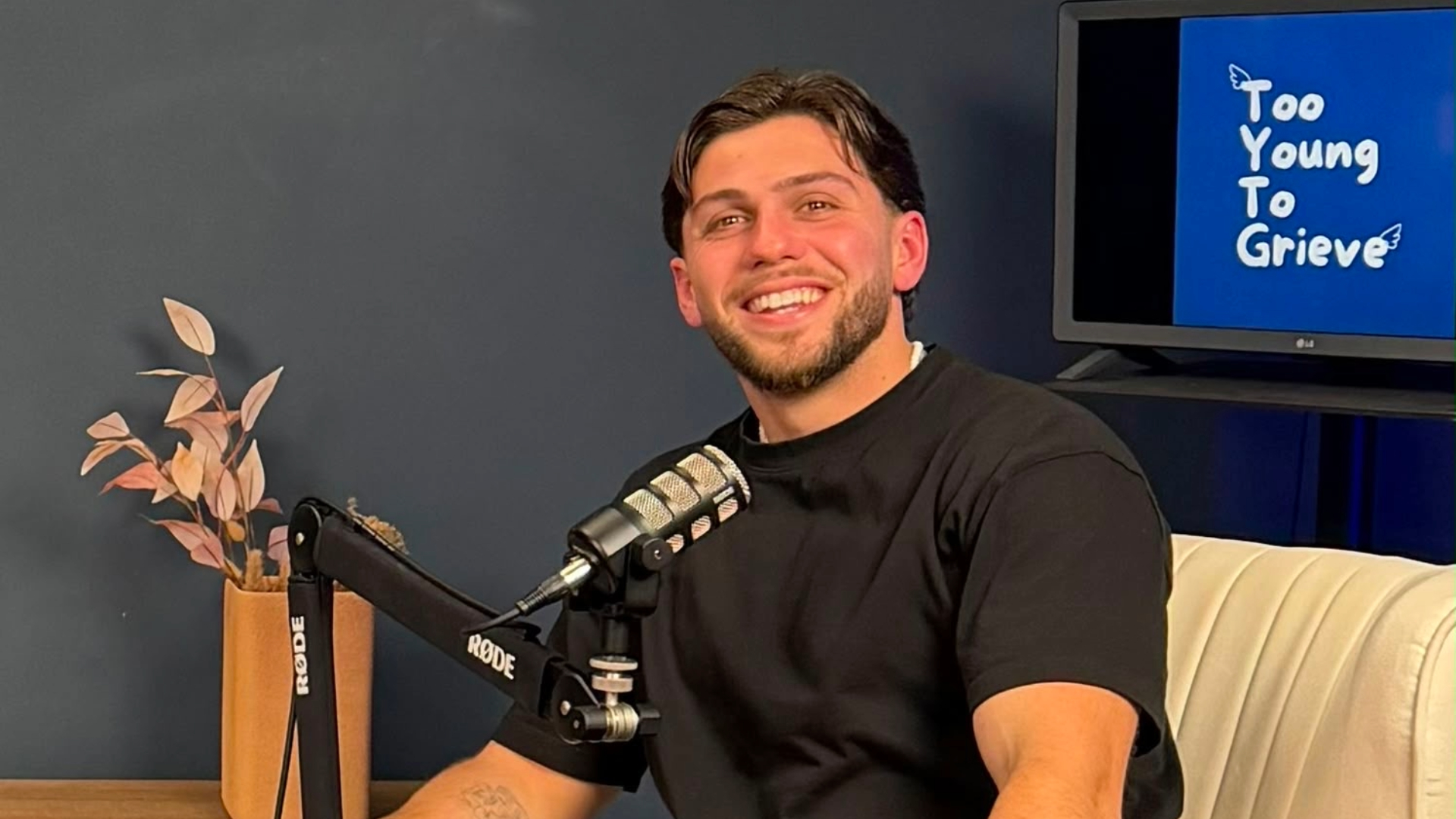
Luke Alfano is a fitness coach and psychology graduate who runs a grieving community
image credits
Luke Alfano
CATEGORY
InterviewMental health
TAGS
dietmenmental healthnutritionnutritional therapy
AUTHOR
Verónica Muñoz Martínez
READ TIME
10 Minutes
PUBLISHED
17 June 2026
SHARE
Key takeaways
After his father’s death from cancer, Luke Alfano abandoned a protein-obsessed “gym-bro” diet in favour of a whole-foods approach focused on long-term health rather than appearance.
He argues that much of the nutrition advice aimed at men online prioritises aesthetics and muscle gain over longevity, leaving real gaps in how men think about food.
His 80-20 principle reframes healthy eating as sustainable and flexible rather than restrictive, making it easier to maintain over time.
Through his community Too Young to Grieve, Alfano links men’s nutrition to wider issues of grief, loneliness and men’s reluctance to engage with their own health.
To mark Men’s Health Week, we spoke to Luke Alfano – a UK-based fitness coach, psychology graduate, and founder of the grief community Too Young to Grieve – about the moment his father’s death forced him to completely rethink his relationship with food, and what he wishes more men understood about nutrition.
At just 26, he has amassed over 200,000 followers across platforms. His journey began with sharing simple recipes – like his viral pistachio frozen yoghurt – and nutrition tips as a fitness coach. He later identified a gap in conversations around men’s health and began opening up about his own experience of grief. Now he inspires many men to be more open about their own struggles.
You’ve been open about the fact that your approach to nutrition has changed dramatically over the years. What did it look like before?
Classic gym-bro culture. I was training for photo shoots, trying to get as lean as possible – abs showing, big muscles. My diet was just protein, protein, protein. Protein yoghurts, protein puddings, protein powders. As long as it had the word protein on the label and fit within my calorie deficit, I was eating it. That was my entire relationship with food. I wasn’t thinking about fibre, micronutrients, diversity, gut health – none of it. It was just: hit the protein target, stay in a deficit, look good.
And here’s the thing – I had no energy. I was tired, bloated, not feeling good in myself, even though I looked a certain way to everyone else. But I didn’t connect those dots at the time.
Luke as a fitness model
What changed?
Losing my dad. He passed away from cancer, very suddenly – a two-week stint. We didn’t get the chance to work on nutrition or lifestyle, even though food plays such a significant role in things like disease. That hit me hard. It completely changed how I saw health. I stopped asking, “how do I look?” and started asking, “what am I actually putting into my body? What does this do for me long-term?”
I started looking into fibre, into micronutrients, into gut health, into how food can actually impact something like cancer. And the research is there – what we eat, how we move, the habits we build day to day, they play a massive role in our long-term health outcomes. That’s when I realised my whole approach had been off. I was looking after how I appeared, not how I actually functioned.
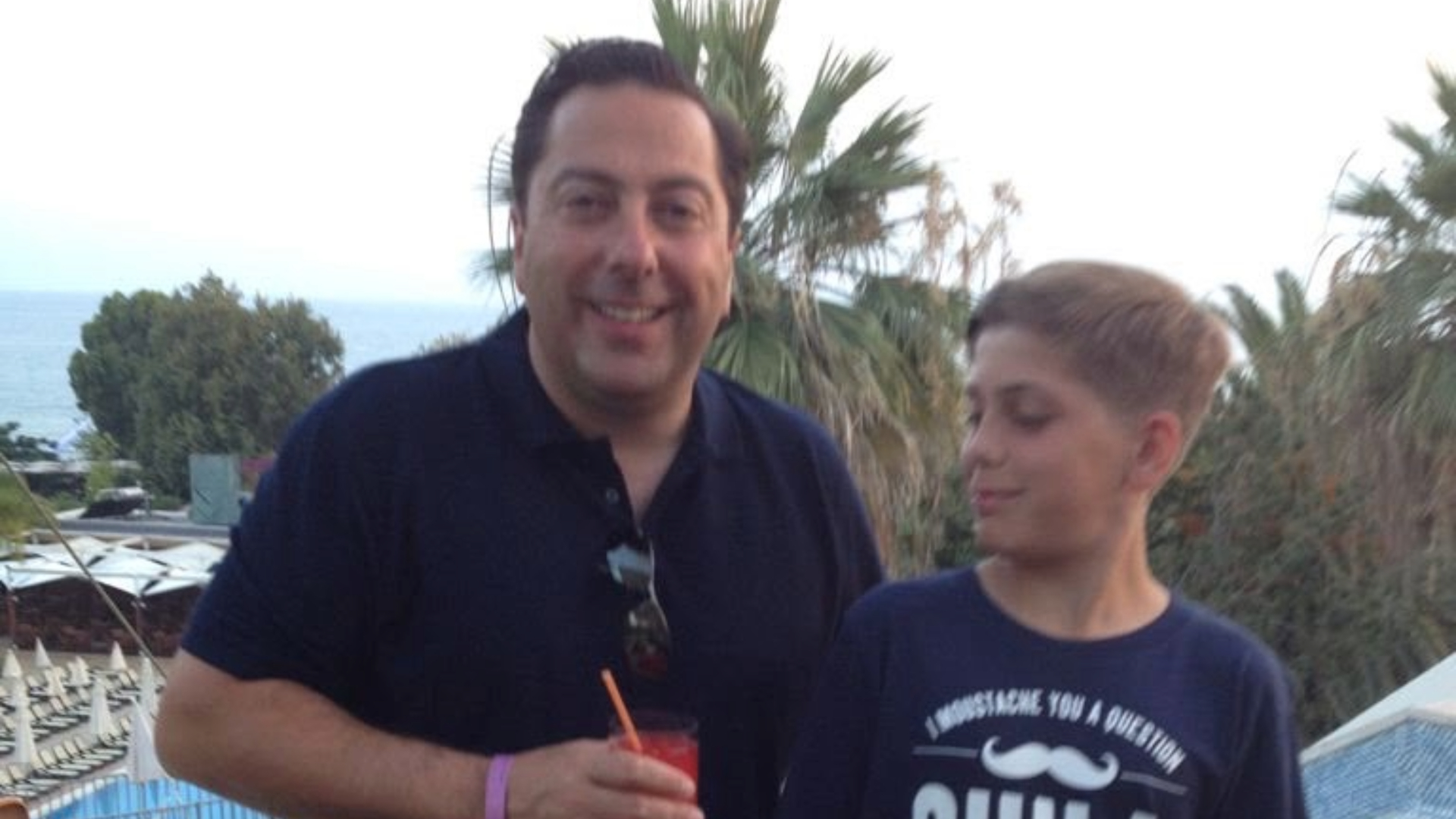
Luke Alfano with his dad, who sadly passed away from cancer during Alfano’s final year at university
How would you describe your approach to nutrition now?
Whole foods, first and foremost. Single, nutrient-dense ingredients – things grown from the ground, quality meat and fish. That’s the foundation. I follow an 80-20 principle: if 80% of your diet is built on whole foods, the other 20% – a meal out with friends, something at the cinema – that’s fine. That balance matters, not just for physical health but because stress about food affects your health too. If you’re constantly anxious about what you’re eating, that takes a toll.
I’m Italian, so the Mediterranean diet has always been part of my life. What people don’t always appreciate about that way of eating is that it’s not just about the food – it’s the social side too. Eating with family, eating with friends. That’s woven into the lifestyle, and it matters for your health as well.
There’s a huge amount of nutrition misinformation aimed at men. What do you see most often?
The idea that you have to cut things out. People come to me and say, “I’ve cut out bread, I’ve cut out chocolate, I’ve cut out crisps – so why am I not losing weight?” And that’s the whole problem, because we’ve been led to believe that certain foods are the enemy and that removing them is the answer. It isn’t.
You can eat bread. You can eat pasta. What matters is the overall quality and diversity of your diet, your portion sizes, how much you’re moving, how you’re sleeping, how you’re managing stress. It’s not about one food being bad. And the wellness world makes it worse – you get told you can only eat organic grass-fed beef, or pasture-raised eggs, or ingredients you can barely find on the high street. That kind of messaging puts people off entirely because they think they can’t afford it or can’t access it, so they give up.
What about budget? Eating well is often framed as expensive?
I understand why people think that, but I’d push back a little. A pack of biscuits might look cheap, but you eat them in two days. Fruit might feel pricier but lasts a week, keeps you fuller, and isn’t designed to make you want more – which processed food very much is.
Frozen vegetables can be just as nutritious as fresh, sometimes more so, and they’re cheaper. And you don’t need the premium version of everything. Instead of organic grass-fed beef, can you just get a cheaper cut of beef that’s still going to nourish you? Instead of pasture-raised eggs, can you just get eggs? The goal is making 80% of your diet nutrient-dense, and that’s achievable on most budgets if you make smart swaps and look at the value over time, not just the price on the shelf.
Men’s nutrition tends to get reduced to protein and calories. What are they missing?
Fibre, mostly. And gut health more broadly. When I was in gym-bro mode, fibre didn’t even cross my mind – it just wasn’t part of the conversation. But it’s fundamental. A diverse, plant-rich diet that supports your gut microbiome has knock-on effects for your energy, your mood, your immunity, your long-term disease risk. Micronutrients matter too. Are you getting enough from the variety of what you’re eating, not just from how much protein you’re hitting?
Sleep and stress management are also massively underrated. We know stress has a direct impact on the body – on inflammation, on hormones, on how we absorb nutrients. So, you can be eating well and still not getting the full benefit if you’re chronically stressed or sleeping badly. It’s all connected.
You also talk about the connection between nutrition and mental health. How do you see that playing out for men specifically?
They’re completely intertwined, and I think men often experience this without realising it. What you eat affects how you feel, how you sleep, how much energy you have – and all of those things affect your mental state. If you’re eating a diet high in processed food and sugar, you might get a quick hit of feeling good, but the crash comes. Over time, that pattern takes a toll on your mood and your resilience.
And on the flip side, if you’re struggling mentally – going through grief, dealing with depression, under financial pressure – your nutrition is often the first thing to go. Cooking feels impossible. You reach for whatever’s easy. That’s not a moral failing, that’s what stress and low mood do. Understanding that connection, rather than treating physical and mental health as separate things, is a big part of what I try to help people with.
You spotted a gap in the conversation around men’s health and started your own podcast and community. Tell us about that.
After losing my dad, I was already thinking differently about nutrition and physical health. But I also studied psychology at university, and mental health has always been something I care deeply about. Towards the end of last year, my nonna – nan in Italian – passed away too. And I didn’t want to go through those feelings alone again, or without somewhere to put them. I thought: how do I talk about this as a man? How do other men navigate grief when they’ve been told their whole lives to just keep it in?
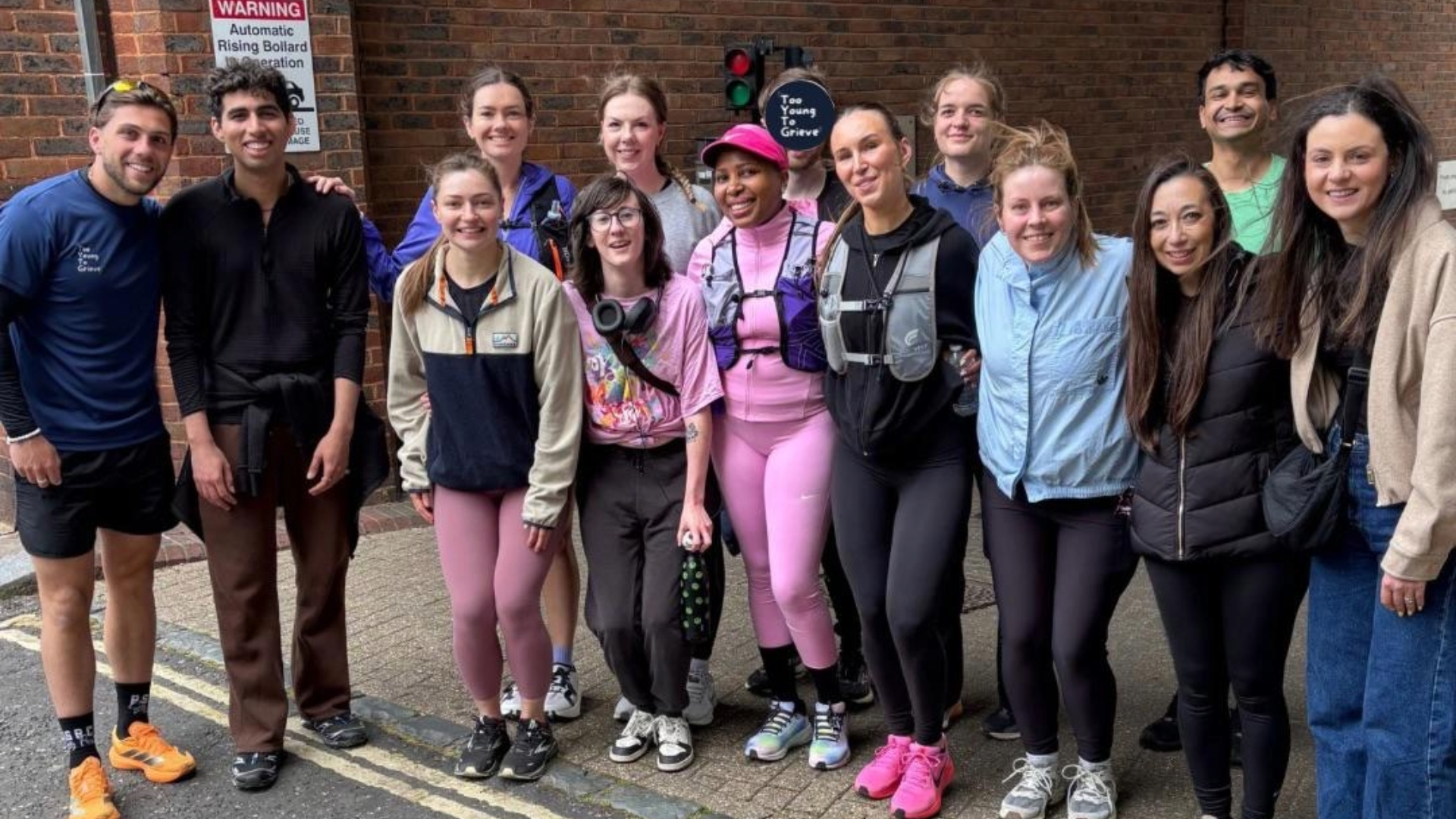
That’s where Too Young to Grieve started – first as a podcast, now as a community of almost 60,000 people. We do things in person too: run clubs, meetups across the country. Tying movement back in felt natural, because the physical and mental are so connected. A run or a walk gives you endorphins, fresh air, a reason to get outside – but it also gives you a chance to talk. I’ve noticed that men find it easier to open up when they’re moving side by side, rather than sitting face-to-face. Something about not having to make direct eye contact makes it feel less loaded.
Luke Alfano started his own podcast “Too Young To Grieve”
Are men showing up to those events?
Slowly. We still see more women than men at the run clubs, which I completely understand – it’s not easy to walk into a space where you know you’re probably going to talk about something emotional, when you’ve spent your whole life being told that’s not what men do. But when men do come, you can see how much it helps. Being around people who genuinely get what you’re going through – that feeling of not being alone in it – is powerful. And I was the same before all of this. I wouldn’t have gone near therapy. Wouldn’t have talked about grief openly. So, I get it. It’s a slow process, but it is changing.
There are also people with real influence trying to push that change forward. I had the opportunity to speak with Deputy Prime Minister David Lammy recently, and being able to have that conversation at that level – about the loneliness epidemic, about what young men need – showed me that this is being taken seriously. Policy, community investment, employment opportunities: these things matter to men’s health just as much as what’s on their plate. And it’s encouraging to see that acknowledged.
Alfano wishes more men would join his grief run club
What would you tell a man who wants to improve his nutrition but doesn’t know where to start?
Start simple. More whole foods, more water, more sleep, more movement. You don’t need a complicated plan. Walk more. Eat more plants alongside whatever else you’re eating. Look after your gut. These are the basics, and they’re the basics because they work.
The reason so many people struggle with nutrition is that they think it has to be this big, complicated overhaul – that you need to do everything perfectly or it doesn’t count. But getting those fundamentals right most of the time will make a real difference. And if you slip up, or you go through a period where life takes over, that’s normal. It doesn’t mean you’ve failed. It means you’re human. The goal is long-term, sustainable health – not perfection for a photoshoot.
Has grief changed your definition of what it means to be a healthy man?
Completely. It used to mean looking lean. Now it means longevity – a body that functions well and lasts, for as long as possible. Feeling good, being able to show up for the people in your life, having real energy. Not just looking good to everyone else, because that and actually feeling good are not always the same thing. I spent years confusing them.
Grief changed that. When you lose someone to illness, suddenly all the vanity metrics go out the window and you start asking what actually matters. Is what I’m doing going to support my health for the long term? That’s the question I ask about food now, about movement, about sleep, about stress. It’s not about the next photo shoot. It’s about sustainability. Eating for your long-term health, not your short-term reflection – that’s the shift I’d love more men to make.
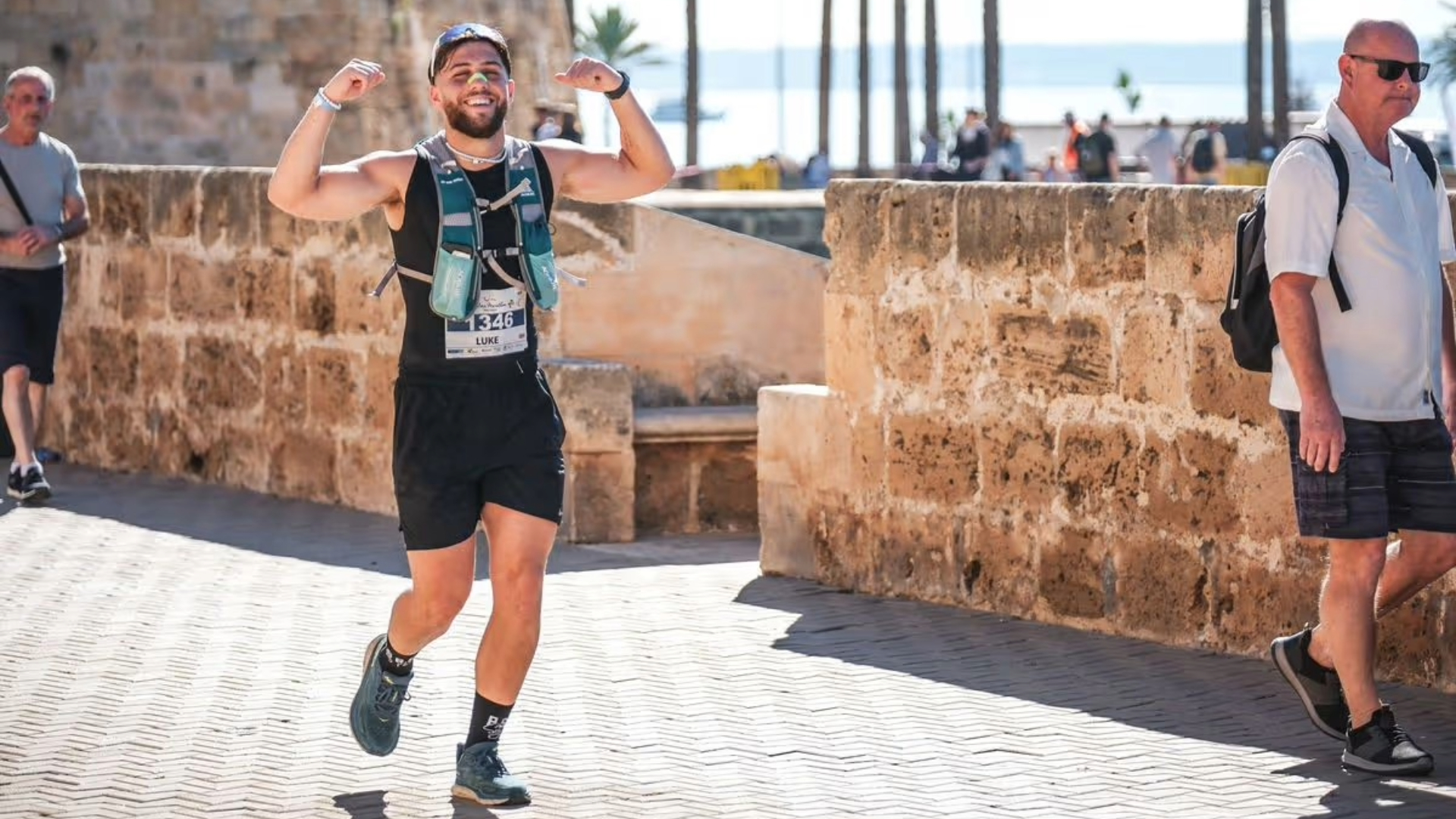
Luke runs marathons in memory of his father, raising money for UK charities along the way
Luke Alfano is the founder of Too Young to Grieve, a podcast and community supporting people navigating loss. Find him on Instagram @lukealfano11 and search Too Young to Grieve on all major podcast platforms.