OUR FINAL IN-PERSON OPEN DAY OF THE YEAR IS HAPPENING 3 OCTOBER. DON’T MISS YOUR CHANCE TO LEARN ABOUT YOUR NEW CAREER! • THE ‘BSC (HONS) NUTRITIONAL THERAPY’ AND ‘CERT HE PERSONALISED DIET AND HEALTH’ APPLICATION DEADLINE IS CLOSING SOON – APPLY TODAY! • WE HAVE A NEW, LEVEL 7, POSTGRADUATE COURSE LAUNCHING FEB 2027 FOR MEDICAL PROFESSIONALS, ALLIED HEALTHCARE PRACTITIONERS AND CAM PRACTITIONERS • FROM THE VAULT: EXPLORE COMPLETE BACK ISSUES OF OPTIMUM NUTRITION MAGAZINE FOR FREE • BOOK YOUR TICKET FOR THE HEATHER ROSA TRIBUTE AND MITOCHONDRIA EVENT ON 30 OCTOBER •
OUR FINAL IN-PERSON OPEN DAY OF THE YEAR IS HAPPENING 3 OCTOBER. DON’T MISS YOUR CHANCE TO LEARN ABOUT YOUR NEW CAREER! • THE ‘BSC (HONS) NUTRITIONAL THERAPY’ AND ‘CERT HE PERSONALISED DIET AND HEALTH’ APPLICATION DEADLINE IS CLOSING SOON – APPLY TODAY! • WE HAVE A NEW, LEVEL 7, POSTGRADUATE COURSE LAUNCHING FEB 2027 FOR MEDICAL PROFESSIONALS, ALLIED HEALTHCARE PRACTITIONERS AND CAM PRACTITIONERS • FROM THE VAULT: EXPLORE COMPLETE BACK ISSUES OF OPTIMUM NUTRITION MAGAZINE FOR FREE • BOOK YOUR TICKET FOR THE HEATHER ROSA TRIBUTE AND MITOCHONDRIA EVENT ON 30 OCTOBER •
Testosterone myths: what the internet gets wrong about TRT and men’s health
caption
Social media can sometimes overshadow scientific evidence
image credits
Shutterstock
CATEGORY
Health and wellbeing
TAGS
mennutritionnutritional therapytestosterone
AUTHOR
Verónica Muñoz Martínez
READ TIME
8 Minutes
PUBLISHED
17 June 2026
SHARE
Key takeaways
Testosterone plays a crucial role in men’s health, influencing muscle mass, energy levels, metabolism, heart health, and cognitive function.
Low testosterone symptoms, including fatigue, low mood, and reduced libido, are often overlooked or misdiagnosed in men.
Healthy testosterone levels can be supported through regular exercise, quality sleep, weight management, and a nutrient-rich diet.
Testosterone replacement therapy (TRT) is an effective treatment for diagnosed testosterone deficiency but is increasingly misused for muscle growth and performance enhancement.
Experts are calling for greater awareness of testosterone health to reduce stigma and encourage earlier diagnosis and treatment of low testosterone.
Most people think testosterone is about muscle mass and sex drive. In reality, it influences everything from energy levels to long-term health – but online, misinformation is drowning out what the science actually says.
Ask men what testosterone does, and you’ll often hear about gym performance, libido, and looking more “manly.” What you’re far less likely to hear about is blood pressure, blood sugar, cholesterol, or cognitive health. That gap in understanding, say doctors, nutritional therapists, and personal trainers, is doing real damage – and in some cases, costing lives.
What often gets overlooked is what he calls the anabolic effects of testosterone – unlike the androgenic ones most people picture: the deeper voice, the facial hair, the muscles…
Anabolic effects play a key role in maintaining a man’s physical health and structural integrity. They support the building and preservation of muscle mass, help maintain bone density and strength, and contribute to the proper functioning of organs and metabolic processes throughout the body.
Because almost every organ carries androgen receptors, testosterone acts as a metabolic driver throughout a man’s life, with effects on blood pressure regulation, cholesterol and lipid profiles, blood sugar and diabetes risk, brain function and memory.
A landmark trial published in The Lancet found a 40 per cent relative reduction in type 2 diabetes over two years in men with low testosterone who received treatment.
After 30, testosterone drops roughly one to two per cent per year: gradual enough to be invisible day-to-day, but enough over a decade to increase cardiovascular risk and affect metabolic health and brain function.
There’s a problem with how testosterone gets tested – and most men have no idea
Part of the problem is that low testosterone looks like a lot of other things. Fatigue, low mood, poor motivation, reduced libido… These symptoms overlap almost perfectly with depression, thyroid disease and anemia.
Standard blood tests are not enough; they only measure total testosterone. Around 97 per cent of it is bound to proteins and unavailable to the body. Free testosterone – the small remainder – is what actually matters.
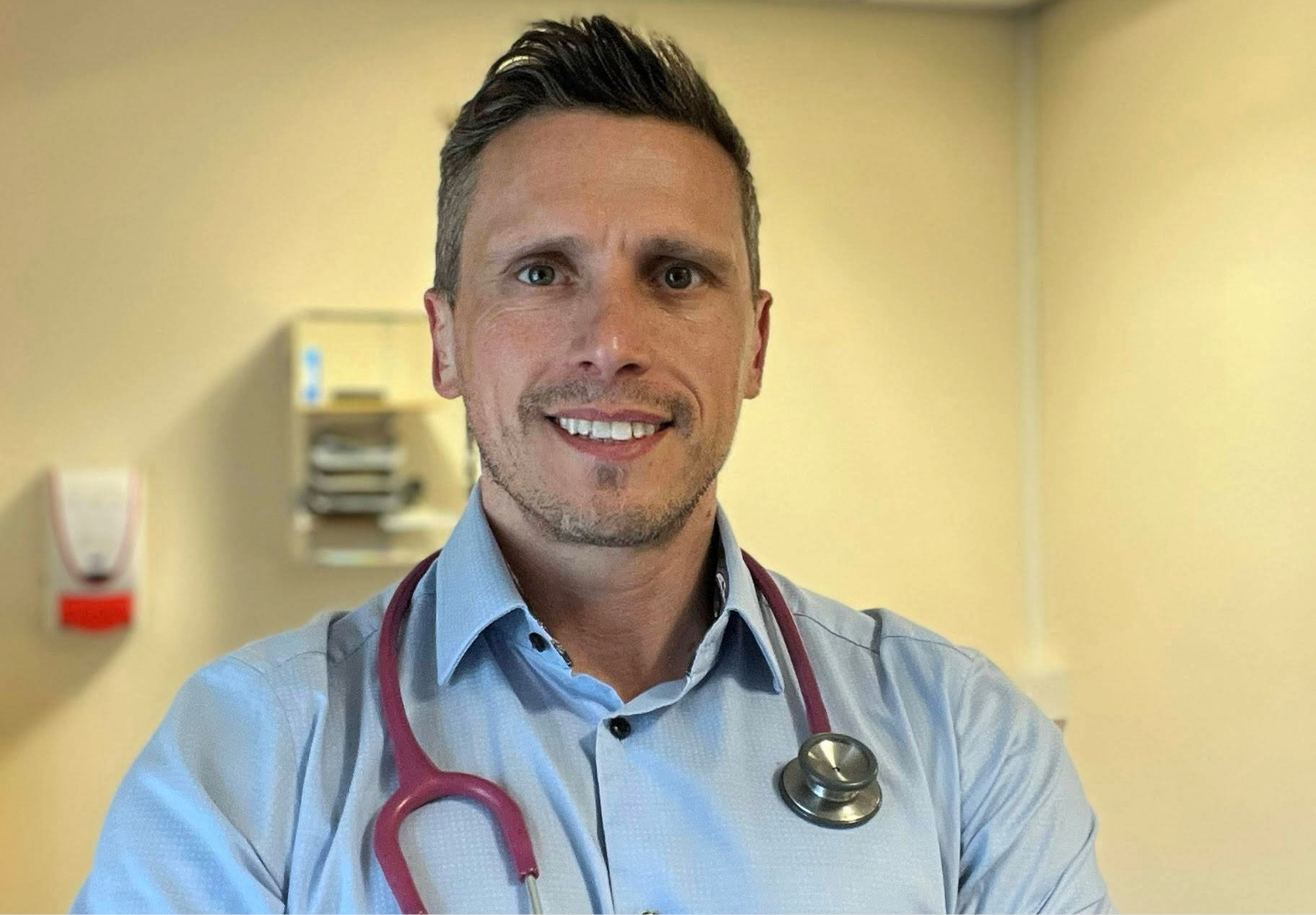
If the total testosterone is normal and you still have symptoms, I’d want to know what your levels of free testosterone are
The NHS reference ranges were set for the more severe end of the condition. Men with moderate deficiency frequently fall outside the threshold and get sent home. As Foster says, testosterone deficiency simply wasn’t in the medical curriculum when he trained 20 years ago.
A lifestyle and food-first approach
Before anyone heads to a hormone clinic, Dr Foster offers the following for helping achieve healthy testosterone levels:
Reducing body fat – fat tissue is oestrogenic and directly suppresses testosterone.
Diet – particularly rich in zinc, selenium, magnesium and vitamin D.
Exercise – such as running, swimming and weights, around 45 minutes three to four times a week.
Sleep – perhaps the most underestimated factor. Testosterone release depends on stable sleep cycles; fragmented sleep and stress disrupt the process, and napping doesn’t compensate.
Because we’re connected via social media and work emails that constantly get at you, you are constantly under stress, but at a lower level. There’s never a spike or a trough. It’s a grumbling all the time
What our ION experts have to say about testosterone
Joseph Whittaker, nutritionist, researcher and lecturer and research supervisor at ION whose work on diet and male reproductive health was published in the journal Hormones, agrees that weight is where men should start.
The biggest dietary factor that negatively affects testosterone is excess body weight, so lose weight if you have to. A variety of approaches can be used. I personally favour low-carb diets and/or intermittent fasting, both of which are evidence-based and practical.
Diabetes and pre-diabetes, he adds, are the second biggest factor. “So again, losing weight is a key consideration, and also exercise to improve insulin sensitivity.” Testosterone matters, he notes, far more than the gym: “Strength and endurance, yes, but also libido, sexual function, energy levels, mood and wellbeing.”
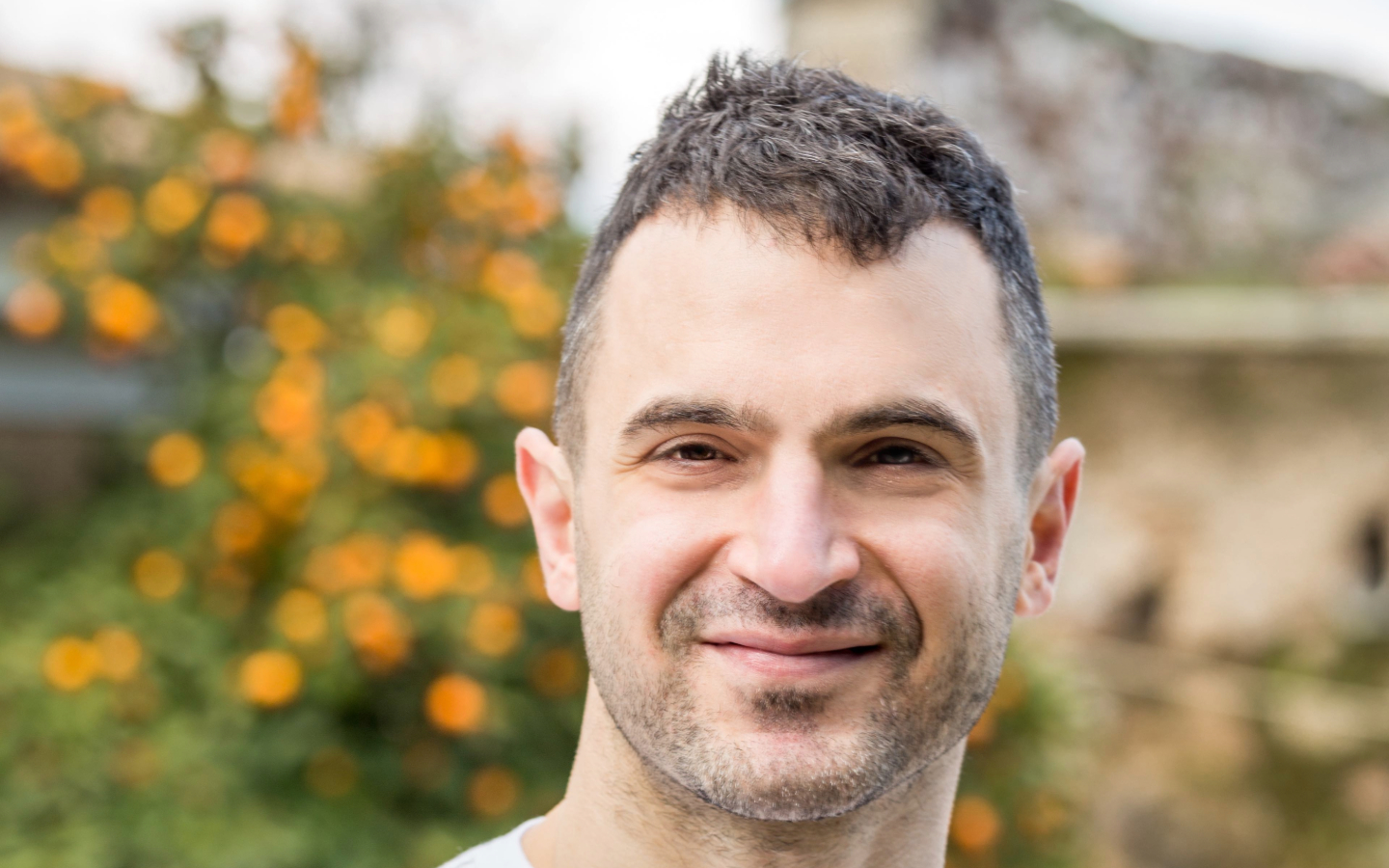
In early 2025, Tzanis discovered that almost all of his hormone markers were close to zero. Rather than going straight to testosterone replacement therapy, he changed his diet, reintroduced animal protein he’d been avoiding, and made recovery a priority. Two months later, a VO2 max test – the gold-standard measure of cardiovascular fitness – placed him in the top five per cent for his age group.
This didn’t happen because I went on hormone replacement therapy. I changed my diet. I changed some things in my lifestyle. I prioritised.
What the internet gets wrong about TRT
Tzanis’s route back to normal testosterone levels wasn’t through a TRT injection, but plenty of men are being pointed in that direction – and not always for the right reasons. Influenced by viral content on social media, some are using testosterone not to treat a deficiency but to improve their muscle mass, performance, or appearance.
Paul Dehan-Smith is a BSc Nutritional Therapy student – an ION degree validated by the University of Portsmouth.
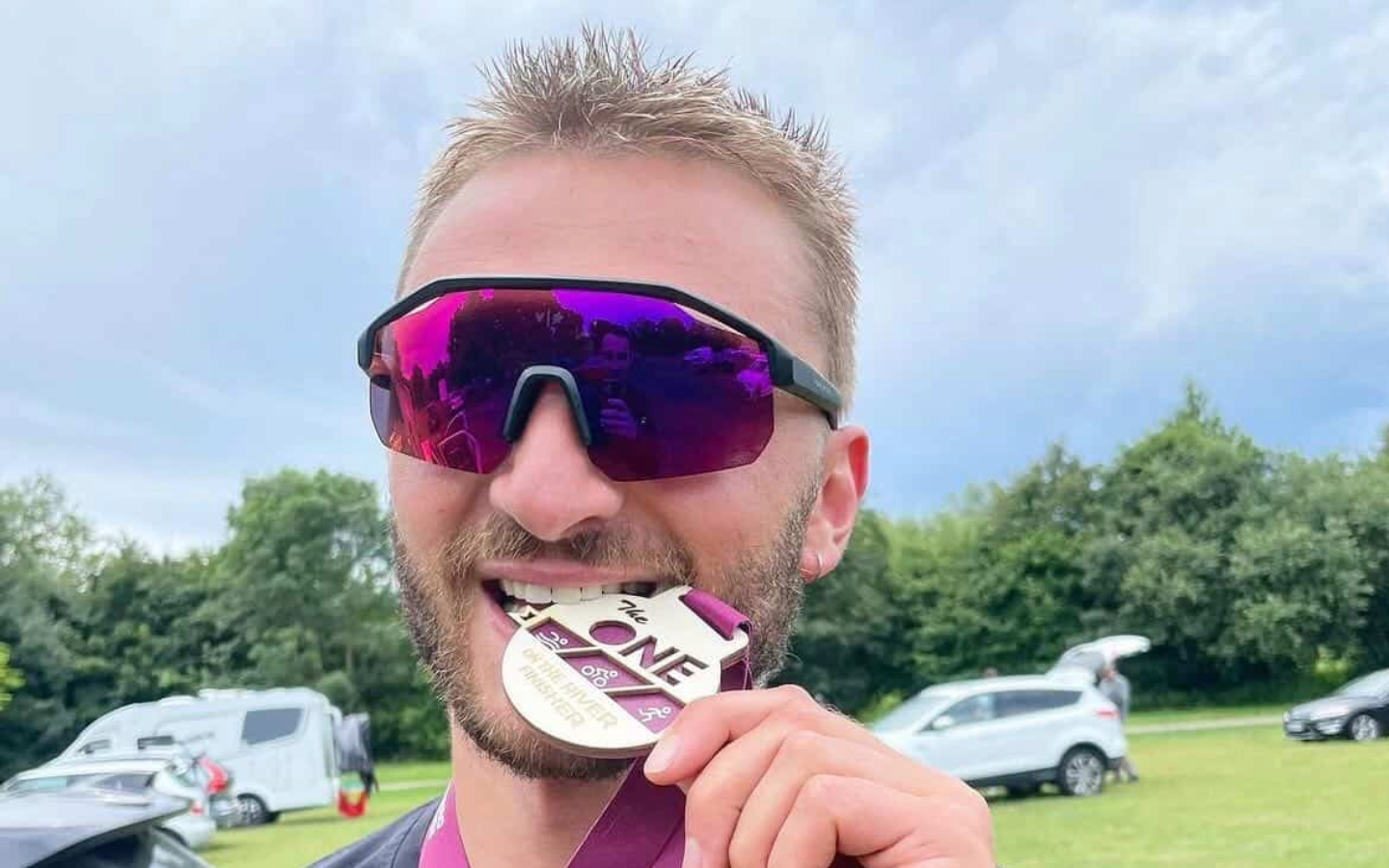
Paul Dehan-Smith, a personal trainer and health coach studying a BSc (Hons) Nutritional Therapy degree with ION has seen this up close. A 19-year-old client came to him wanting to start TRT to reach the next level in his training. Rather than simply saying no, Dehan-Smith spent 24 hours going through the research and came back with a thorough breakdown of what it involves, when it is clinically appropriate, and what the risks of unsupervised use look like. The young man chose not to go ahead. “He was like, actually, maybe I’m a bit too young to have those kinds of unwanted side effects.”
A lot of messaging centres around protein, supplements, body fat percentage, muscle gain and aesthetics – which aren’t always bad goals, but they can overshadow the bigger picture. They [young men] tend to see health as something reactive rather than proactive.
Few health topics are as distorted online as testosterone. TRT has a legitimate role in treating clinically confirmed hormone deficiencies under proper medical supervision. What concerns both Dehan-Smith, Foster and Whittake is its growing use as a lifestyle enhancement – a shortcut promoted on social media and used without adequate oversight by young men who don’t need it.
Looking after your health isn’t unmanly
Dr Foster believes the growing popularity of TRT is being driven by men who see it “either as some sort of biohack or because they think it makes them look jacked” – a motivation he argues is closer to steroid use than legitimate medical treatment. He worries that the line between therapy and performance enhancement is becoming increasingly blurred, which risks undermining care for men who genuinely need treatment and reinforcing the stigma surrounding low testosterone. “Many people may have low testosterone, but they’re nervous about talking about it because if you have less testosterone, you’re not a man anymore,” he says.
According to Foster, many men feel too embarrassed to raise these concerns with their doctor. Others dismiss symptoms such as fatigue and low energy as an inevitable part of ageing or seek quick fixes online rather than having what can feel like an uncomfortable but important conversation with a healthcare professional.
Whittaker offers a clear sequence for anyone tempted to skip ahead.
I would advise men considering TRT to first get all your ducks in a row regarding diet and lifestyle. Clean up your diet, make sure you are hitting the recommended intakes for vitamins and minerals, lose weight, hit the gym, get decent sleep, reduce stress, and reduce exposure to endocrine-disrupting chemicals.
Only then, and only if symptoms persist, should men look further.
“Try that for a good six months. If testosterone has still not improved and you also have symptoms of low testosterone, then talk to your doctor about TRT.”
He urges men to ask about fertility too: “TRT can make you infertile when you are on it. Also consider that if you ever stop TRT, your natural production of testosterone may be depressed.”
Reducing the stigma around men’s health starts with talking about it more openly – not as a measure of masculinity, but as just another aspect of health that deserves attention when something doesn’t feel right.
As Dehan-Smith puts it: “Nutrition is not only about abdominal muscle definition. It’s about your energy, your mental well-being, disease prevention, and being present with your family. Looking after your health is not unmanly. It’s just responsible.”